Bilan de l'année
Message du chef de la direction

Adam Auer, président et chef de la direction de l’Association Canadienne du Ciment
« Quel que soit le degré de sophistication que vous atteignez, le fait est que toutes vos connaissances concernent le passé et que toutes vos décisions concernent l’avenir » – Ian H. Wilson (ancien dirigeant de GE)
Chers membres du conseil d’administration et collègues,
L’année 2025 nous a rappelé combien il est difficile de diriger avec clarté lorsque nous traversons une période de perturbation. Cette année a été marquée par des changements sans précédent, avec des pressions économiques, environnementales et politiques s’exerçant dans des directions imprévisibles et souvent contradictoires. Nous avons tous dû faire preuve non seulement d’une certaine agilité, mais surtout d’une très grande discipline pour être réactifs tout en restant calmes, adaptables, concentrés et, par-dessus tout, pour « que les choses les plus importantes restent les choses les plus importantes ».
Je suis très fier de la manière dont l’ACC, et le secteur dans son ensemble, a su relever ces défis, continuant de l’avant alors que nous avons senti le sol se dérober sous nos pieds.
Lors des élections de 2025, alors que la quasi certaine majorité conservatrice a soudainement laissé la place à une minorité libérale sous la direction du Premier ministre Carney, nous nous sommes appuyés sur nos années d’expérience de plaidoyer cohérent, collaboratif et fondé sur des principes pour renforcer notre positionnement politique, accroître notre influence et faire avancer les dossiers prioritaires, notamment ceux dont le rôle essentiel est d’assurer la compétitivité des membres et la modernisation de l’industrie.
Lorsque le changement climatique est devenu une priorité politique pour les gouvernements fédéral et provinciaux, nous n’avons pas abandonné nos engagements. Au lieu de cela, nous avons mis en phase nos ambitions de décarbonisation sur le langage émergent de la sécurité énergétique, de la souveraineté nationale et de la compétitivité économique, en positionnant notre industrie comme un moteur moderne de la résilience, de la prospérité et de la croissance propre.
Lorsque l’économie a continué à s’affaiblir, l’ACC ne s’est pas contentée de rationaliser son budget, mais a investi dans des initiatives de renforcement de ses fondations, à savoir une meilleure compréhension du marché, une approche modernisée des codes et des normes, ainsi que l’éducation, l’engagement et la défense des intérêts enracinés dans les principes fondamentaux du marché.
L’année 2025 nous a mis à l’épreuve, mais a également montré que nous avons réussi à susciter l’intérêt à l’égard de notre secteur et à sensibiliser la population au rôle important que nous jouons dans la société. Comme en témoignent la grande participation à notre enquête sur la perception du secteur, la compréhension de plus en plus approfondie de notre secteur qu’ont les politiciens et d’autres parties prenantes, ou les plus d’un million d’auditeurs qui sont à l’écoute de notre balado Speaking Concretely, les Canadiens ont envie d’en savoir plus sur notre secteur et nous devons profiter de cette occasion unique pour canaliser cet intérêt vers nos priorités.
L’ACC dispose d’une équipe exceptionnelle, qui se distingue non seulement par sa compétence, mais aussi par sa véritable passion pour le secteur. Nous comprenons l’importance de notre secteur et sommes déterminés à amplifier ses contributions à notre économie et à notre société. En 2025, notre équipe s’est encore renforcée avec l’arrivée de trois nouveaux collaborateurs, dont Blake Arsenault et Matt Dalkie dans notre équipe de décarbonisation industrielle, et Mick Prieur, qui a repris les responsabilités techniques de Tim Smith (aujourd’hui à la retraite) tout en assumant également le travail lié aux codes et aux normes, ainsi que nos initiatives de recherche et développement. Blake, Matt et Mick ont tous un talent extraordinaire, et nous sommes très fiers qu’ils aient choisi de mettre leurs compétences au service de l’ACC. Je m’en voudrais de ne pas remercier une nouvelle fois Tim Smith pour les apports incommensurables qu’il a faits au secteur au cours de ses 35 ans de carrière. Nous lui souhaitons tous beaucoup de bonheur, de santé et d’épanouissement pendant sa retraite.
Enfin, pendant cette période, l’ACC a été soutenue par un conseil d’administration impliqué et efficace, et nous avons su maintenir une communication et une collaboration solides avec nos associations alliées. Je suis profondément reconnaissant de la confiance accordée à l’ACC et de l’esprit de collaboration qui ne cesse de se renforcer dans l’ensemble du secteur.
Il ne fait aucun doute que l’année 2026 continuera de nous mettre à l’épreuve, et si le passé ne prédit pas toujours l’avenir, il nous donne toutes les raisons d’être confiants. Nous faisons preuve d’ambition, nous restons confiants et nous sommes déterminés à tirer parti de la crise pour façonner un avenir plus solide pour le ciment et le béton au Canada.
Adam Auer
Président et chef de la direction
Association Canadienne du Ciment
Décarbonisation industrielle et durabilité

En 2025, nous avons dû nous poser une question importante : comment démontrer que la décarbonisation est irrévocablement liée à la compétitivité et à la prospérité économique de notre industrie et du pays. Les priorités de financement du gouvernement étant axées sur les problèmes les plus immédiats, à savoir les relations commerciales et la gestion des droits de douane, nous avons concentré notre attention sur les domaines dans lesquels nous pouvions avoir le plus d’impact. Nous avons notamment cherché à obtenir un financement stable et prévisible pour l’industrie grâce à des modifications des crédits d’impôt à l’investissement fédéraux et nous avons fait preuve d’agilité en aidant nos membres à relever des défis émergents menaçant leur compétitivité dans différentes régions du pays.

Programme politique : Diriger en restant compétitifs et créer des conditions économiques propices aux investissements dans la décarbonisation
L’économie de la décarbonisation : Attirer des investissements
Les possibilités de financement public s’amenuisant rapidement, l’ACC s’est détournée des programmes de financement, qui doivent généralement passer par des demandes, pour créer un mécanisme de soutien financier stable et prévisible pour les projets grâce aux crédits d’impôt fédéraux à l’investissement. Grâce aux efforts de lobbying de l’ACC, le crédit d’impôt fédéral à l’investissement dans les technologies propres a été élargi et inclut désormais un crédit d’impôt de 30 % du coût en capital de tous les biens d’équipement utilisés dans la production d’électricité ou de chaleur à partir de biomasse résiduelle. Ce crédit d’impôt soutiendra tous les projets de carburants de remplacement admissibles dans notre industrie. L’augmentation des carburants à faible teneur en carbone étant un élément important de notre plan d’action net zéro, ce crédit d’impôt contribuera à attirer des investissements dans les cimenteries et à atteindre les réductions d’émissions requises. Une fois les détails de la conception publiés, les entreprises membres de l’ACC pourraient bénéficier de crédits d’impôt sur le capital se chiffrant en millions de dollars. Nous nous réjouissons de travailler en étroite collaboration avec nos membres afin de maximiser les opportunités qui se présentent.
Nous continuons également à accompagner les entreprises membres de manière individuelle lorsqu’elles cherchent à obtenir un financement public pour leurs projets. Pour mieux aider nos membres à accéder aux financements publics, nous avons mis en place un programme de formation. Le programme explique comment trouver et demander un financement auprès des différents niveaux du gouvernement afin de maximiser les chances d’obtenir un financement public. Nous sommes impatients de lancer ce programme en 2026.
Approvisionnement : Acheter Canadien
Alors que l’économie canadienne est entrée dans une période de perturbation et d’incertitude en 2025, de nombreux secteurs ont été touchés, y compris l’industrie du ciment. Le secteur a été confronté à des déplacements plus importants en raison des volumes croissants d’importations à la suite de l’adoption du mécanisme d’ajustement carbone aux frontières de l’UE. En outre, la menace liée aux droits de douane imposés par les États-Unis sur les produits canadiens et la renégociation prochaine de l’accord Canada-États-Unis-Mexique ont créé des incertitudes supplémentaires pour les cimentiers canadiens, car les États-Unis constituent un marché d’exportation essentiel pour le ciment canadien.
L’ACC a travaillé à différents niveaux et avec différentes instances du gouvernement, notamment avec des autorités fédérales, provinciales et municipales, pour encourager l’adoption d’une politique « Acheter Canadien » pour les projets de marchés publics, afin de pérenniser la demande de ciment fabriqué dans le pays.
En particulier, l’ACC a promu la norme sur le carbone intrinsèque en construction du Secrétariat du Conseil du Trésor du Canada (CTS), qui définit les exigences en matière de divulgation et de réduction du carbone intrinsèque dans le béton utilisé dans les projets applicables. Cette norme, qui a été mise en place en 2022, impose aux projets d’infrastructures publiques l’obligation de réduire le carbone intrinsèque associé au ciment et au béton utilisés. En conséquence, la norme profite au ciment produit dans le pays, qui présente une teneur en carbone intrinsèque nettement inférieure à celle du ciment importé. Si elle était adoptée à plus grande échelle, cette norme serait très efficace pour les gouvernements qui veulent privilégier l’achat de produits fabriqués dans le pays tout en respectant le droit international et les accords commerciaux en vigueur.
L’ACC s’est engagée auprès du gouvernement fédéral, du gouvernement de la Colombie-Britannique, du gouvernement de l’Ontario et du district régional de Metro Vancouver, et a réussi à faire adopter une politique d’achat national prioritaire à différents niveaux :
- Au niveau fédéral, le Cadre de politique d’investissement de Maisons Canada, publié en novembre 2025, indique que ce nouvel organisme donnera la priorité aux matériaux de construction à faible teneur en carbone, et cite en particulier le béton à faible teneur en carbone.
- En Ontario, le gouvernement a déposé le projet de loi « Acheter Ontarien » en novembre 2025. Si elle est adoptée, cette loi donnera la priorité aux marchés publics visant l’achat de produits ontariens, dont le ciment et le béton. L’ACC reste en contact avec le gouvernement de l’Ontario, qui travaille actuellement à l’élaboration des réglementations correspondantes.
- Le district régional de Metro Vancouver a indiqué qu’il travaillait à la mise en place d’une approche semblable à la norme du SCT pour les marchés publics d’infrastructure.
Tarification du carbone : Préparation de la révision 2026
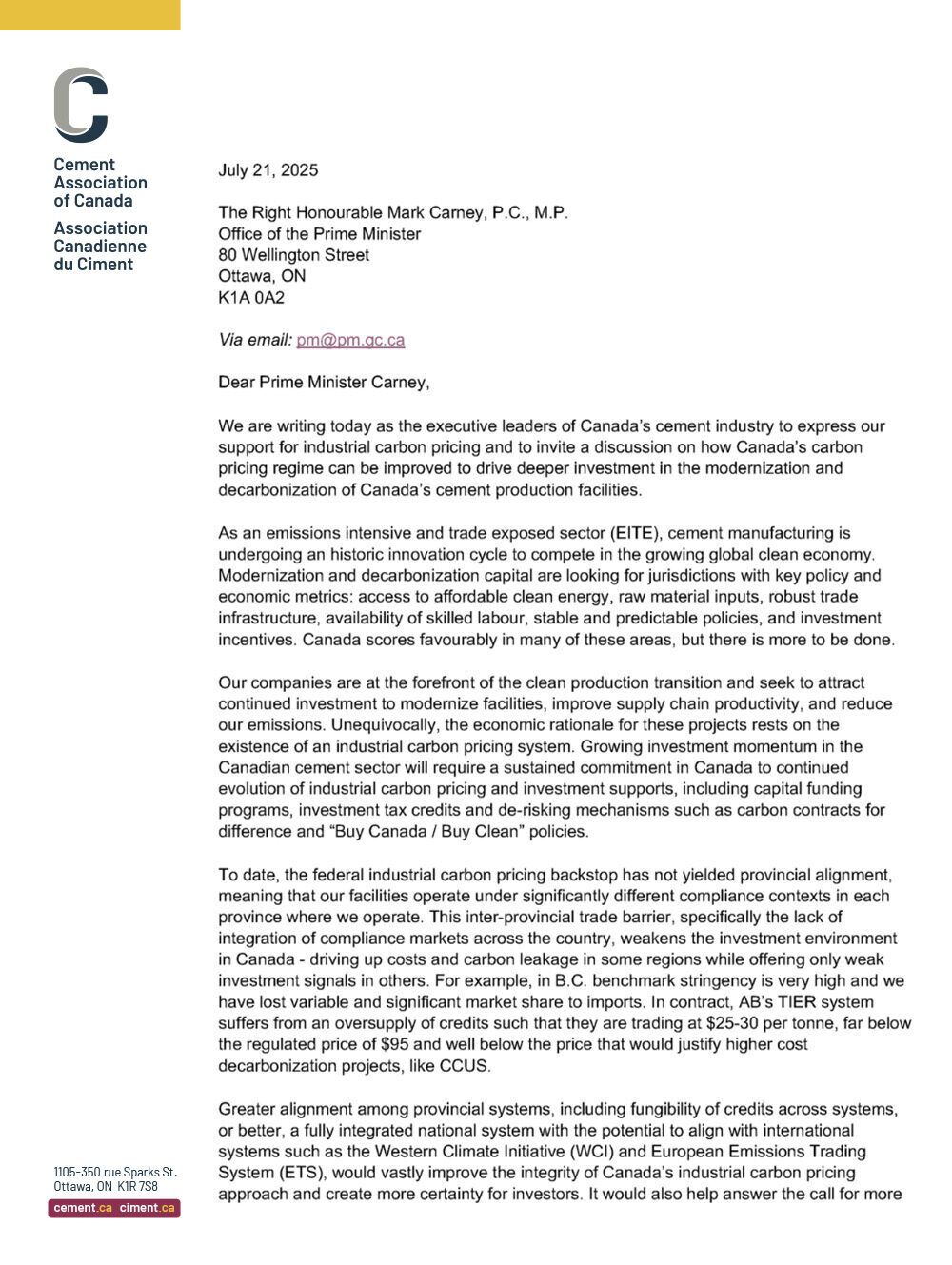
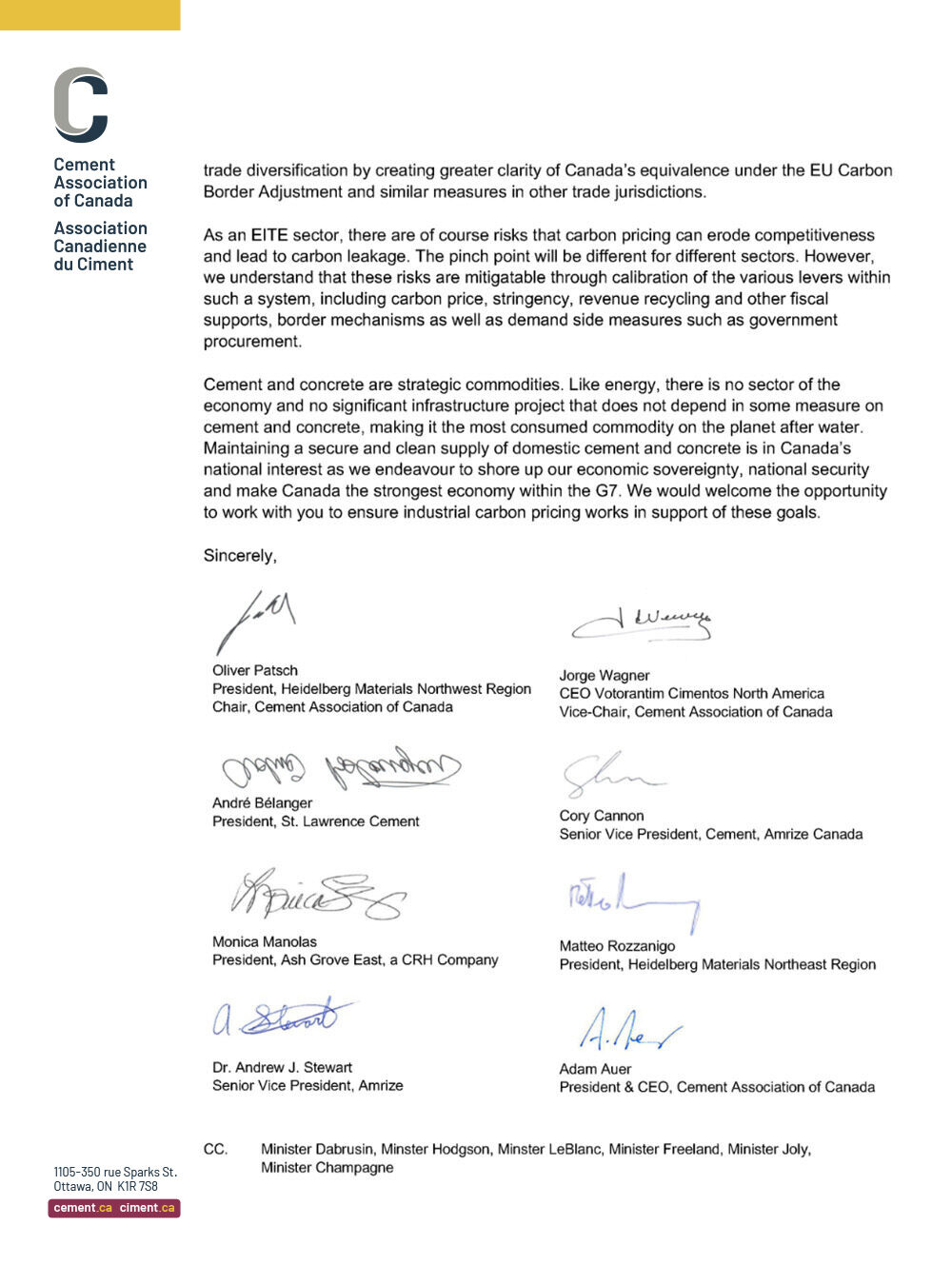
La tarification du carbone a fait l’objet d’une grande attention en 2025, notamment à l’occasion de l’élection d’un nouveau gouvernement fédéral. L’élimination de la tarification du carbone pour les consommateurs a attiré l’attention sur l’état actuel et futur du prix du carbone pour l’industrie. Les dirigeants des cimentiers ont fait part de leur soutien à la tarification industrielle dans une lettre ouverte au Premier ministre Carney, alors que des discussions ont été entamées en coulisses sur la révision des systèmes de tarification industrielle dans tout le Canada. L’ACC a clairement indiqué que tout affaiblissement du signal-prix industriel aura pour effet de freiner, voire d’éliminer les investissements.
L’ACC s’est jointe à une coalition d’associations, d’entreprises et de groupes de réflexion sur l’environnement pour recommander une amélioration de la tarification industrielle au Canada en 2026, notamment par une mise en phase des systèmes provinciaux permettant le transfert de crédits de conformité ou de performance dans tout le pays. En parallèle, nous avons plaidé pour que le Canada continue à reconnaître l’industrie du ciment comme une industrie à haut risque, à forte intensité d’émissions et exposée aux échanges commerciaux, et qui mérite donc d’être protégée contre la concurrence déloyale d’acteurs étrangers sur le marché.
Cette année, la Colombie-Britannique et l’Alberta ont toutes deux commencé à réviser leurs systèmes respectifs de tarification industrielle, l’Alberta ayant d’ailleurs annoncé des changements substantiels. Le Québec prévoit également de modifier sa réglementation en matière de plafonnement et d’échange de droits d’émission. En 2026, nous continuerons à plaider en faveur de solutions rationnelles pour les régimes de tarification industrielle stimulant l’investissement dans la décarbonisation tout en protégeant la force économique et la compétitivité de l’industrie du ciment.
Taxonomie de la comptabilité carbone
Nous avons poursuivi nos efforts visant à assurer la cohérence et la transparence en matière de comptabilité carbone et de rapports environnementaux. L’année 2025 a été marquée par la conception, la consultation et la publication d’une nouvelle règle sur les catégories de produits (Product Category Rule, ou PCR) pour le ciment, ce qui représente une avancée significative par rapport aux versions précédentes. La PCR pour le ciment permettra de rendre compte correctement des efforts de décarbonisation dans l’ensemble de l’industrie, car elle exige davantage de rigueur dans l’utilisation des données et l’inclusion de la capture du carbone dans les limites du système.
Avec la publication de la nouvelle PCR sur le ciment, les membres de l’ACC ont commencé à évaluer la possibilité de poursuivre leurs efforts d’alignement, au-delà même de ce qui est requis par la PCR. En utilisant les mêmes jeux de données et les mêmes hypothèses dans toutes les entreprises membres de l’ACC, nous espérons être la première industrie à créer des déclarations environnementales de produits (DEP) commercialement comparables, offrant ainsi aux utilisateurs un choix de produits éclairé, précis et fondé sur des données probantes. Grâce aux 360 000 dollars recueillis l’année dernière dans le cadre d’un partenariat avec le Conseil national de recherches, nous espérons disposer d’un système de certification prêt à être commercialisé d’ici le milieu de l’année 2026.
Nous avons également commencé à mettre à jour notre DEP moyenne pour l’industrie du ciment. La dernière version était celle de 2023 et s’appuyait sur les données de 2020. Nous sommes en train de la mettre à jour pour assurer sa cohérence avec la nouvelle PCR sur le ciment et pour suivre le même calendrier de mise à jour que l’American Cement Association (ACA) et l’Association canadienne du béton préparé (CRMCA). Pour soutenir cet effort, l’ACC collabore à nouveau avec le Conseil national de recherches.
Actions au niveau provincial : Assurer l’adoption de notre programme de compétitivité par les régions.
Pleins feux sur la Colombie-Britannique
Examen du plan CleanBC
L’ACC a participé activement à l’examen du CleanBC, qui est le plan du gouvernement de la Colombie-Britannique visant à réduire les émissions de 40 % d’ici à 2030. Le CleanBC propose une série de programmes, de remises, d’incitations et de politiques dans divers domaines afin d’accompagner sa feuille de route pour 2030.
Dans le cadre d’un engagement exprimé en personne et par écrit, l’ACC a indiqué que la politique et les programmes du CleanBC devraient être mis à jour pour accorder une plus grande importance au renforcement de la résilience économique et à la sauvegarde de la compétitivité de la Colombie-Britannique. Plus précisément, l’ACC a encouragé les actions suivantes :
- Examen du système provincial de tarification industrielle fondé sur le rendement (STFR) afin d’actualiser et de corriger l’approche liée aux carburants de remplacement à base de déchets pour garantir l’intégrité du programme et encourager toutes les sources de carburants biogènes à faible teneur en carbone;
- Mise en œuvre d’une politique d’approvisionnement qui privilégie les matériaux de construction à faible teneur en carbone, à savoir la norme fédérale du SCT sur le carbone intrinsèque en construction;
- Renouvellement des programmes de financement et d’investissement pour garantir la compétitivité et attirer des investissements dans le secteur du ciment et du béton de la Colombie-Britannique.
Les résultats de l’examen indépendant du CleanBC, publiés en novembre 2025, ont souligné à quel point il est important de poursuivre la fabrication de ciment dans la province. En outre, le groupe d’experts chargé de l’examen a ajouté qu’il est important que les industries de la Colombie-Britannique deviennent « plus propres et plus compétitives », notamment en s’appuyant sur les points forts du programme du STFR.
Réglementation de la qualité de l’air dans le district régional de Metro Vancouver
Au cours de l’été 2025, le district régional de Metro Vancouver (MVRD) avait proposé plusieurs modifications à son règlement sur les frais de gestion de la qualité de l’air. Ce règlement touche les deux cimenteries de la province, qui sont toutes deux situées dans la région de Metro Vancouver.
Les amendements proposés ont suscité de vives préoccupations chez les membres et l’ACC, en particulier en rapport avec les frais de permis. La limite proposée de 450 000 $ pour les nouveaux permis et les permis révisés aurait imposé des coûts injustifiés et onéreux aux cimenteries, avec peu de transparence et de certitude, à un moment où il est crucial d’assurer la compétitivité et de protéger l’industrie manufacturière régionale en Colombie-Britannique.
L’ACC a pris des mesures décisives avec de multiples acteurs, notamment en communiquant avec les fonctionnaires de la MVRD qui avaient rédigé les réglementations proposées, ainsi qu’avec de nombreux fonctionnaires et politiciens du gouvernement provincial et des membres du conseil d’administration de la MVRD qui siègent aux comités concernés. L’ACC a fait part des préoccupations de ses membres à ses différents acteurs et a plaidé pour la réduction de la limite applicable aux frais de permis.
Après plusieurs mois de travail, la MVRD a reporté le calendrier établi pour la mise à jour de ses règlements, qui était initialement prévue pour novembre 2025. Lors de sa dernière réunion avec les fonctionnaires de la MVRD, l’ACC a appris que les règlements proposés seront modifiés et que les frais de renouvellement de permis seront plafonnés à 125 000 $. Puisque le montant initialement proposé était de 450 000 $, ce changement représente une réduction considérable, soit une économie de plus de 300 000 $ par installation pour les entreprises membres. L’ACC s’attend à ce que cette nouvelle limite soit examinée par le conseil d’administration de la MVRD au début de l’année 2026 et soutiendra son adoption.
Pleins feux sur l’Ontario
Acheter Ontarien
Au cours de l’année 2025, l’ACC a beaucoup travaillé avec de nombreux ministères et services du gouvernement de l’Ontario afin d’encourager les administrations à adopter une politique « Acheter Ontarien » pour les projets de marchés publics.
En novembre, à la suite de la journée du lobbying de l’ACC en Ontario, le gouvernement a déposé le projet de loi « Acheter Ontarien », qui privilégiera les marchés publics visant l’achat de produits ontariens, dont le ciment et le béton. L’ACC reste en contact avec le gouvernement de l’Ontario, qui travaille actuellement à l’élaboration des réglementations correspondantes. En particulier, l’ACC continuera de promouvoir la norme sur le carbone intrinsèque en construction du Secrétariat du Conseil du Trésor du Canada (CTS), qui est une politique facile à mettre en œuvre permettant de privilégier l’achat de produits fabriqués dans le pays tout en respectant le droit international et les accords commerciaux en vigueur.
Loi sur le stockage géologique du carbone
L’Ontario s’efforce de mettre en place un cadre pour le captage et le stockage du carbone (CSC) et des réglementations associées dans la province grâce au projet de loi intitulé Loi sur le stockage géologique du carbone. Les consultations ont débuté en mars 2022 et l’ACC a participé à toutes les demandes de soumissions pertinentes, y compris lors de la dernière consultation en septembre 2025. Le projet de loi a reçu la sanction royale en décembre 2025.
Tout au long du processus de consultation, l’ACC a rappelé qu’il est important de mettre en place un cadre clair pour les projets de CSC en Ontario, avec des dispositions stables concernant les processus de délivrance des permis, le transfert de responsabilité, les droits sur l’espace interstitiel et l’accès aux terres.
De plus, nous avons systématiquement souligné l’importance des actions suivantes :
- Faire de l’accès équitable et ouvert un principe réglementaire clé, comme c’est le cas en Alberta;
- Créer des incitations économiques complémentaires pour stimuler le développement de projets de CSC en Ontario, en particulier pour les secteurs où la réduction des émissions est difficile, comme celui du ciment, où les coûts initiaux de mise en œuvre des technologies de CSC sont élevés;
- Définir clairement l’infrastructure de transport nécessaire pour acheminer le carbone capturé et comprimé, y compris les pipelines, les navires ou le réseau de transport routier.
L’ACC continuera à collaborer avec ses membres, d’autres parties prenantes de l’industrie et le gouvernement pour la mise en œuvre et l’élaboration des réglementations pertinentes afin que le gouvernement propose un cadre efficace pour l’investissement dans le CSC en Ontario.
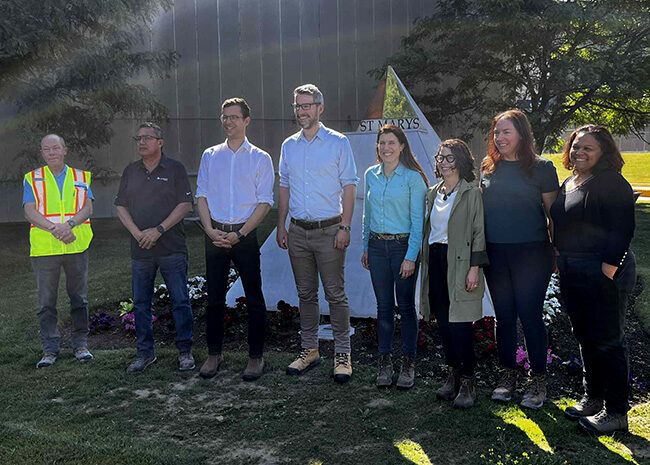
Resha Watkins (St Marys Cement, une société Votorantim Cimentos) et Sarah Petrevan, vice-présidente de la décarbonisation industrielle et de la durabilité chez l’ACC, ont remis à Carbonova le prix Decarbonizer Award 2025 lors de MaRS Climate Impact.
Programme de recherche : Stimuler la compétitivité et promouvoir les conditions économiques propices aux investissements dans la décarbonisation
Cette année, notre programme de recherche a œuvré pour renforcer les fondations de Béton Zéro, qui est notre plan d’action net zéro, et pour intégrer la décarbonisation dans notre programme de compétitivité. Nous avons fait appel à nos capacités en matière de recherche pour communiquer des notes d’information au gouvernement sur les politiques pouvant être mises en œuvre pour atténuer l’effet des droits de douane et créer des modèles fédéraux de prix de transfert.
Nous avons notamment mis à jour notre modélisation de l’impact économique, qui fournit désormais des données modernes, réalistes et défendables sur l’impact positif de l’industrie du ciment et du béton sur l’économie canadienne. Ces données ont été essentielles pour soutenir divers efforts de lobbying menés au cours de l’année 2025 et continueront à soutenir nos efforts de plaidoyer à l’avenir.
Nous avons également commandité une étude sur les mesures à prendre à court terme pour atteindre l’objectif de carboneutralité au milieu du siècle tout en maintenant la compétitivité. Cette étude, qui s’est penchée sur les moyens à mettre en œuvre pour la production de ciment décarbonisé au Canada, a examiné les technologies les plus intéressantes pour l’industrie dans les différentes régions du Canada, sachant que chacune de ces dernières présente des difficultés et des opportunités différentes en matière de décarbonisation. L’étude a pris en compte le moment où les différentes technologies seraient à la fois viables et économiquement compétitives. Cette étude servira de base aux efforts futurs du secteur pour atteindre les objectifs de notre plan d’action.
Enfin, nous avons publié une étude sur la trajectoire future des véhicules lourds zéro émission dans l’industrie du ciment et du béton, notamment pour les camions-malaxeurs et les camions de transport de ciment. Cette étude a été entièrement financée par le gouvernement fédéral et l’Accélérateur de transition, l’ACC ayant fourni les informations de base nécessaires sur le fonctionnement du secteur.
Construction
et innovation
Béton Zéro – Éducation
L’ACC s’est efforcée d’impliquer, d’éduquer et de soutenir ses membres et ses alliés pour qu’ils comprennent et participent à la promotion de la grande priorité stratégique de la carboneutralité et de son impact sur le développement et la compétitivité des entreprises.
- L’ACC a parrainé le 2e sommet national sur le carbone intrinsèque organisé par le Conseil du bâtiment durable du Canada (CBDCa). Soixante participants issus de grands cabinets de conseil, d’universités et d’organismes gouvernementaux ont assisté au sommet afin de recenser les lacunes, de discuter des obstacles et de trouver des solutions potentielles pour élaborer une approche nationale. L’ACC a obtenu quatre places (ACC, CRMAC, 2 membres) pour représenter l’industrie du ciment et du béton, alors qu’aucun représentant de notre industrie n’était présent lors des éditions antérieures.
- Nous continuons à œuvrer pour remplir notre mandat en matière d’éducation et à collaborer avec des associations alliées telles que la Canadian Concrete Masonry Producers Association (CCMPA), Concrete Ontario et la Canadian Ready-mix Concrete Association (CRMCA) par l’intermédiaire du Conseil canadien du béton (CCC) afin de promouvoir l’éducation sur les produits à base de ciment et de béton à faible teneur en carbone.
- L’ACC a continué à travailler avec la CCMPA pour préparer et offrir à plus de 400 participants des séances de formation sur le carbone d’une demi-journée ou d’une journée lors de plusieurs événements organisés en Ontario, en Alberta et dans la région de l’Atlantique. En particulier, l’ACC a préparé et présenté une séance d’une heure qui explique le contexte et fournit des détails sur l’industrie du ciment et le plan d’action net zéro.
- L’ACC a obtenu un financement de 250 000 $ de la part du Conseil national de recherches Canada (CNRC) pour créer un programme de formation au plan Béton Zéro. La plateforme cible certains publics dans la chaîne de valeur décisionnelle de la construction, notamment des professionnels de l’industrie du ciment et du béton, des prescripteurs et des ingénieurs, des responsables de marchés publics, des architectes, des professionnels des bâtiments durables et des législateurs. Ces travaux progressent comme prévu.
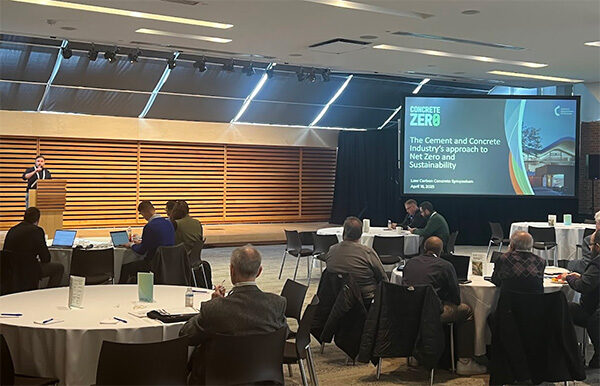
- L’ACC a parrainé le symposium sur le béton à faible teneur en carbone organisé par Concrete Ontario et y a fait une présentation. Cet événement a permis aux producteurs de béton prêt à l’emploi, aux fabricants de produits et aux leaders de l’industrie de collaborer et de présenter les dernières technologies et produits innovants utilisant le béton à faible teneur en carbone. Des maîtres d’ouvrage aux ingénieurs, en passant par les entrepreneurs, les architectes et les experts en développement durable, de nombreuses disciplines ont échangé des informations précieuses sur l’intégration des solutions durables en béton dans les projets de construction.
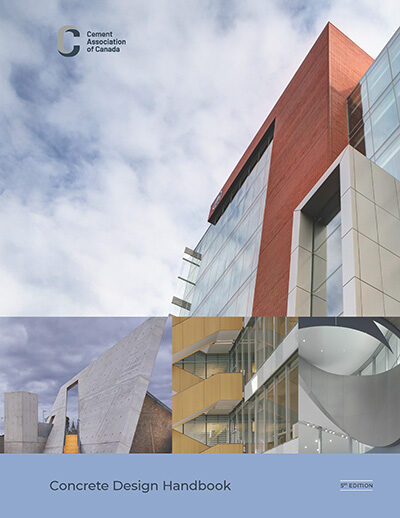
- L’ACC a publié la 5e édition du Concrete Design Handbook. Il s’agit du principal guide de conception en béton au Canada. Il couvre de nombreux aspects du calcul des structures des bâtiments en béton armé et précontraint. Il présente une analyse complète des structures en béton armé et précontraint, tant pour les bâtiments que pour d’autres applications. Les principales caractéristiques de la 5e édition sont les suivantes :
- Harmonisation avec le code : Intègre les changements apportés à la norme CSA A23.3-19 et correspond à l’édition 2020 du Code national du bâtiment du Canada.
- Couverture complète : Analyse le calcul des structures des bâtiments en béton armé et précontraint.
- Section sur le développement durable : Une nouvelle section est consacrée au développement durable et à l’utilisation de béton à faible teneur en carbone.
- Mise à jour de la conception sismique : Inclut des exigences de conception sismique mises à jour et de nouveaux calculs des risques spécifiques aux sites.
- Exemples détaillés : Fournit de nouveaux exemples de conception détaillés pour des bâtiments à plusieurs étages dans des villes comme Montréal et Vancouver.
- L’ACC a publié la traduction française de son ouvrage Dosage et contrôle des mélanges de béton (EB101), 9e édition.
L’ACC a collaboré activement avec des influenceurs et des décideurs de premier plan dans la communauté des achats, de l’architecture, du conseil et de l’ingénierie (PACE). Parmi nos actions, citons notre parrainage de niveau argent des prix Toronto 2025 du Carbon Leadership Forum (CLF) en novembre.
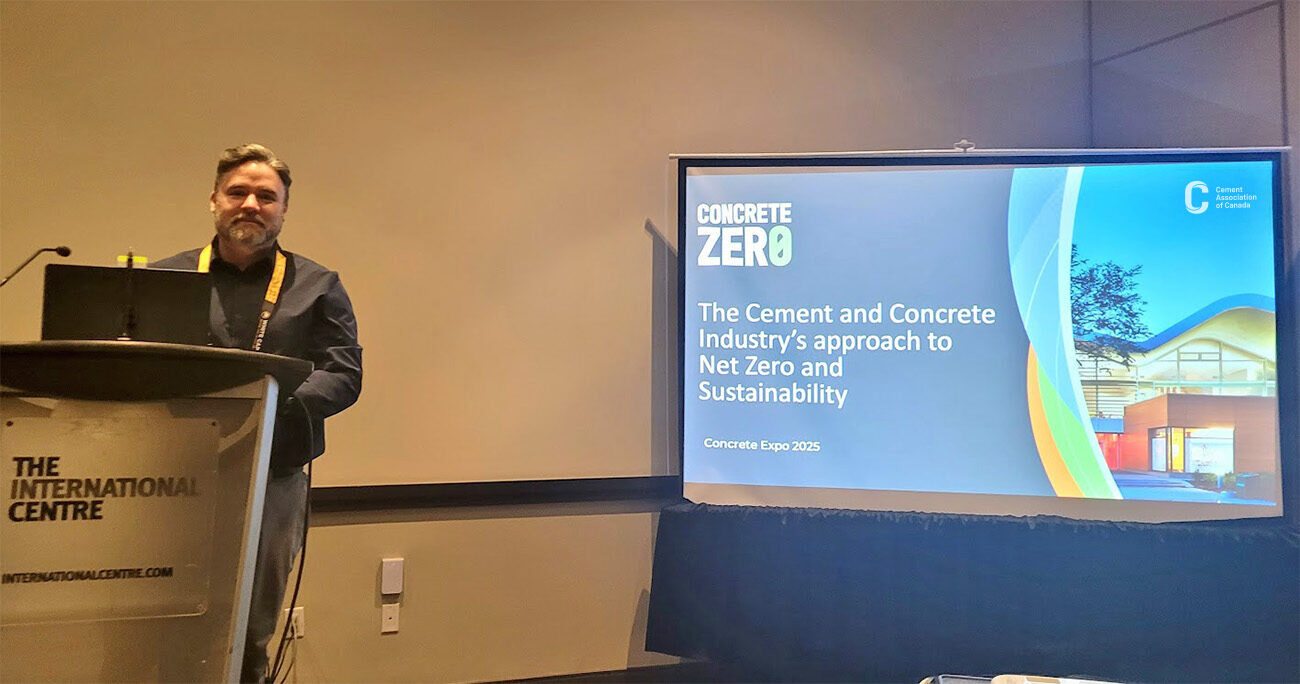
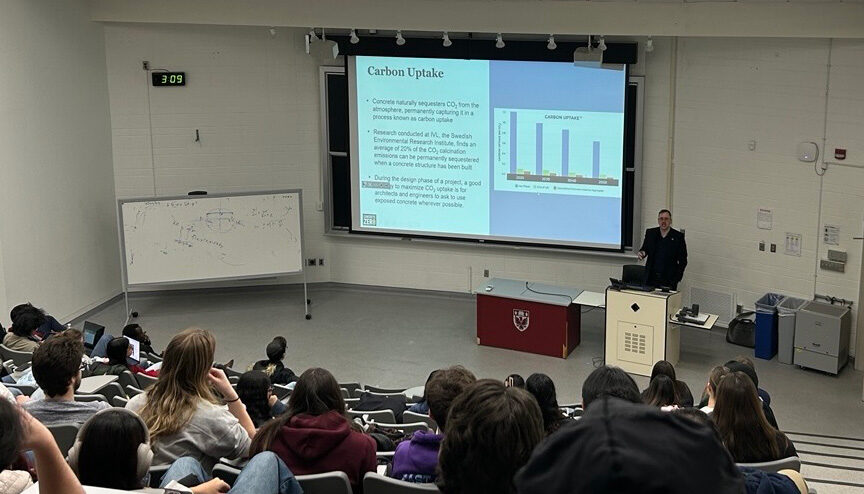
Certains membres de l’équipe de l’ACC ont également fait des présentations sur le plan d’action net zéro de l’industrie canadienne du ciment et du béton devant des constructeurs, des promoteurs immobiliers, des ingénieurs et des architectes de premier plan. Nous avons fait des présentations lors de divers événements, notamment Concrete Expo 2025, ACI 2025 à Toronto, Concrete Ontario AGM, CRH Sustainability Session, Centre for the Sustainable Built Environment, Korean Delegation et Ontario Architects Association.

Achat de produits propres
L’ACC encourage activement tous les niveaux du gouvernement à adopter, dans le cadre des processus d’approvisionnement, des exigences visant à réduire le carbone intrinsèque dans le secteur du bâtiment et à accroître l’acceptation et l’adoption du ciment et du béton à faible teneur en carbone :
- Logement, Infrastructures et Collectivités Canada (LICC, anciennement Infrastructure Canada) applique désormais des exigences en matière de béton à faible teneur en carbone aux programmes de financement suivants :
- Fonds canadien pour les infrastructures liées au logement – Le FCIL vise à accélérer la construction et la modernisation des infrastructures d’eau potable, d’eaux usées, d’eaux pluviales et de déchets solides permettant la construction de logements, ce qui favorise directement la création de nouvelles habitations et augmente la densification. Cet investissement s’inscrit dans l’engagement pris par le gouvernement du Canada de remédier aux conséquences de la crise du logement sur des collectivités de toutes tailles dans l’ensemble du pays.
- Fonds canadien pour le transport en commun (environ 3 milliards de dollars/an de financement permanent) – Le Fonds canadien pour le transport en commun est un investissement historique qui soutiendra le transport en commun dans des collectivités de toutes tailles dans l’ensemble du pays. Annoncé en 2024, le fonds fournira 3 milliards de dollars par an pour les infrastructures de transport en commun et de transport actif à partir de 2026-27. Le fonds fournira un financement stable et prévisible pour atteindre les objectifs à long terme en matière de transport en commun.
- Metro Vancouver élabore actuellement une politique d’approvisionnement à faible émission de carbone afin de réduire l’empreinte carbone du béton utilisé dans ses projets d’infrastructure. La nouvelle politique guidera les choix de Metro Vancouver en matière d’achats de produits en ciment et en béton.
- L’ACC a travaillé avec le Conseil du bâtiment durable du Canada (CBDCa) pour adopter une approche de bilan carbone semblable à la norme du SCT qui sera intégrée dans sa norme de conception zéro carbone.
Travail avec des ONG
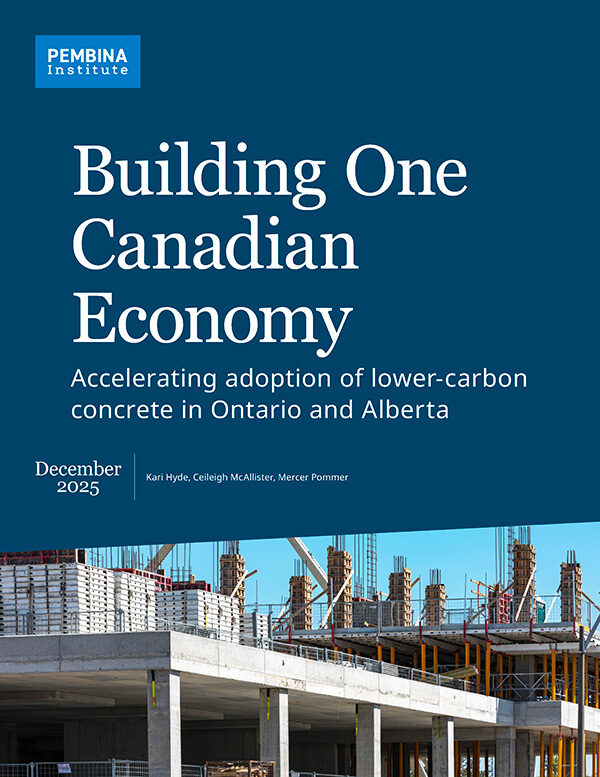
L’ACC a aidé Pembina et Introba à élaborer des rapports de suivi dans le cadre de leur rapport intitulé « The Opportunity to Lead on Clean Concrete Procurèrent and Performance-Based Specifications to Support the Clean Cement and Concrete Industry in British Columbia », qui a été publié en 2024. Les nouveaux rapports se pencheront sur le béton propre sur les marchés de l’Ontario et de l’Alberta et devraient être publiés d’ici la fin de l’année 2025.

Codes Canada
L’ACC a répondu au sur les politiques du Comité canadien de l’harmonisation des codes de construction (CCHCC) en rapport avec les émissions de gaz à effet de serre (GES) incorporées dans les nouvelles maisons et les nouveaux bâtiments dans les codes modèles nationaux. L’objectif de ce document était de recueillir des commentaires sur l’élaboration de dispositions techniques dans le cycle de codification 2030. Il s’agit de l’un des impacts potentiels les plus importants qu’a connus l’industrie du ciment et du béton depuis des années. La réponse de l’ACC est disponible ici.
Recherche et développement
En 2025, l’ACC a relancé son comité des normes et technologies de produits après 4 ans d’inactivité.
Nous avons également publié les résultats de notre projet de recherche et développement de 3 ans sur l’augmentation du calcaire dans le PLC (20 à 25 %), qui a été mené en collaboration avec l’Université de Toronto et l’Université d’Ottawa.
Après les journées fédérales de lobbying d’octobre, le CNRC a demandé à l’ACC de mettre en place un consortium industriel pour sa stratégie de recherche et de développement dans le domaine du ciment et du béton. L’ACC a fourni au CNRC un projet d’accord de consortium, qui a été élaboré en collaboration avec nos alliés de l’industrie du béton.
L’ACC a continué à collaborer avec le CNRC à l’élaboration d’un programme de recherche axé sur l’industrie visant à créer une boîte à outils pour le béton à faible teneur en carbone. Cette boîte à outils est susceptible de stimuler de manière significative l’acceptation et l’utilisation de ciments, de produits en béton et de solutions à faible teneur en carbone. Le CNRC s’est engagé verbalement à fournir 2 millions de dollars pour cette recherche et est en train d’établir un accord avec l’ACC pour la mener à bien.
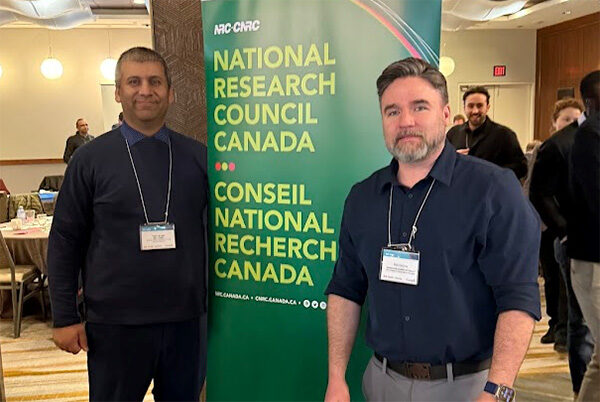
L’ACC a soutenu le lancement de l’appel à propositions du programme Défi « Environnement bâti sobre en carbone » du CNRC pour promouvoir le développement de produits à base de ciment et de béton à faible teneur en carbone utilisés dans les bâtiments et dans d’autres infrastructures. Ce programme met à disposition jusqu’à 2 millions de dollars avec un financement prévu de 500 000 dollars maximum par projet sous forme de subventions ou de contributions non remboursables sur une période de 3 ans. L’ACC a participé à la sélection des sujets de recherche et a siégé au comité d’évaluation des propositions.
Nous poursuivons également quelques pistes de recherche et de développement qui ont été mises en évidence il y a quelques années lors d’une série de sept ateliers organisés conjointement par l’ACC et le CNRC. Les séances de l’atelier ont examiné les technologies liées à la combustion dans les fours, à la production de scorie, au ciment, au béton et à la séquestration du carbone dans le béton. Au total, ces séances ont permis de recenser 75 lacunes de connaissances, dont 60 liées au ciment et au béton, et 15 aux combustibles de remplacement et à la fabrication du ciment.
Affaires législatives et réglementaires
Inventaire national des rejets de polluants (INRP)
Les installations de production de ciment continuent de déclarer leurs rejets dans l’environnement dans l’INRP, qui est géré par Environnement et Changement climatique Canada (ECCC). Un représentant de l’ACC siège au groupe de travail consultatif de l’INRP, qui conseille le gouvernement fédéral sur la mise en œuvre du programme de l’INRP. En 2025, ECCC a ajouté 163 substances perfluoroalkylées et polyfluoroalkylées (SPFA) à déclarer obligatoirement dans l’INRP. À partir de l’année de déclaration 2025, toute installation qui fabrique, traite ou utilise d’une autre manière 1 kilogramme ou plus de ces SPFA à une concentration égale ou supérieure à 0,1 % en poids sera tenue de les déclarer. Bien que l’utilisation des SPFA dans les cimenteries ne soit pas aussi répandue que dans d’autres types d’installations industrielles, le manque d’informations sur les SPFA dans les produits et la disponibilité limitée des tests de laboratoire sur les SPFA pour de nombreux produits posent des problèmes.
Gestion des risques liés aux substances perfluoroalkylées et polyfluoroalkylées (SPFA)
Un document de consultation sur la phase 1 de la gestion des risques liés aux SPFA a été publié le 26 septembre 2025 pour une période de consultation publique de 60 jours. La phase 1 concerne l’interdiction de l’utilisation des SPFA non actuellement réglementés et dans les mousses anti-incendie, mais elle exclut les polymères fluorés. Bien que la phase 1 ne devrait pas avoir d’impact significatif sur les cimenteries, l’ACC continue de suivre l’évolution de la situation et prendra contact avec ses membres si nécessaire.
Autres questions
En 2025, nous avons continué de suivre d’autres initiatives politiques et réglementaires nationales et internationales qui pourraient avoir un impact sur les activités de production de ciment. Nous sommes notamment restés au fait des activités d’évaluation et de gestion des risques du gouvernement fédéral en rapport avec certaines substances spécifiques dans le cadre du plan de gestion des produits chimiques (PGPC), ainsi que des politiques sur la qualité de l’air élaborées et mises en œuvre.
Situation politique et relations gouvernementales
En tant que voix de l’industrie du ciment et du béton sur la Colline du Parlement, l’ACC suit les tendances et les changements politiques fédéraux. L’année 2025 a été marquée par une transition politique importante et un rééquilibrage stratégique pour l’industrie du ciment et du béton. Avec la démission du Premier ministre Trudeau au début de l’année 2025, la chute inattendue de popularité des conservateurs de Poilievre et l’émergence d’un gouvernement libéral dirigé par M. Carney, nous avons dû rapidement modifier notre approche des relations gouvernementales et, au lieu de nous préparer à une probable victoire des conservateurs au niveau fédéral, nous avons commencé à travailler avec un gouvernement libéral minoritaire qui, après s’être renouvelé, était devenu très différent du gouvernement précédent.
Bien que le parti libéral soit resté au pouvoir, l’orientation et l’approche adoptées par Mark Carney diffèrent sensiblement de celles de son prédécesseur. Les initiatives environnementales ont laissé la place aux enjeux économiques, et nous avons ainsi adapté nos messages pour qu’ils soient davantage en phase avec les idées dont nous faisions déjà la promotion auprès du parti conservateur.
Cette année, dans tout le pays, nous avons œuvré pour nouer et renforcer des relations avec les acteurs politiques, pour faire entendre nos préoccupations en matière de compétitivité à la lumière des incertitudes liées aux droits de douane et à la volatilité économique mondiale en général, et pour faire la promotion d’initiatives visant à rehausser la viabilité économique de notre industrie. Nous avons notamment mené des efforts de plaidoyer ciblés, nous avons travaillé en coordination avec des partenaires étrangers, nous avons pris la tête pour faire avancer le travail lié aux droits de douane et nous avons organisé une journée de lobbying fédéral auprès du nouveau gouvernement dirigé par Carney au début de son mandat.
Pendant l’été et l’automne, nous nous sommes consacrés à réorienter notre stratégie vers les priorités et les orientations politiques du gouvernement Carney. Voici quelques-unes de nos principales réalisations :
- Présentation rapide de notre organisation auprès des hauts fonctionnaires du CPM, des cabinets ministériels et des responsables politiques du nouveau gouvernement libéral.
- Recadrage de notre discours sur la compétitivité autour des nouveaux risques économiques, notamment la menace engendrée par les droits de douane imposés par les États-Unis, la souveraineté économique et la sécurité nationale, ainsi que l’incertitude économique transfrontalière.
- Mise en évidence immédiate de l’industrie du ciment et du béton au moment où le nouveau gouvernement définissait son programme stratégique.
Ces efforts ont permis d’assurer la continuité des dossiers prioritaires déjà en cours tout en protégeant notre positionnement auprès d’un nouveau groupe de personnalités politiques et de ministres afin de susciter leur intérêt à l’égard de notre organisation.

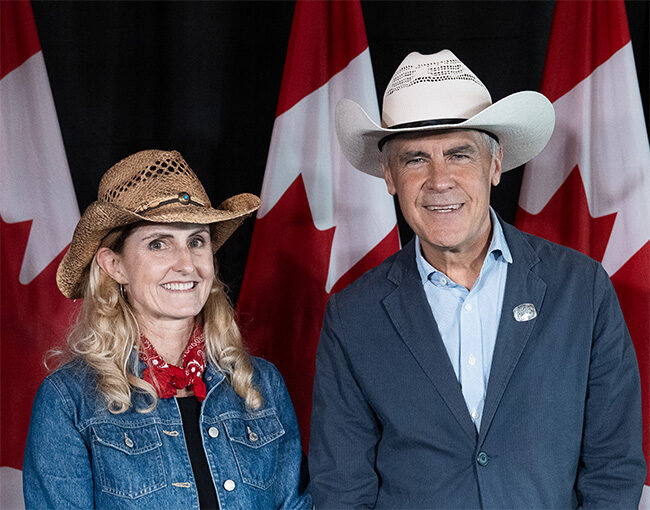
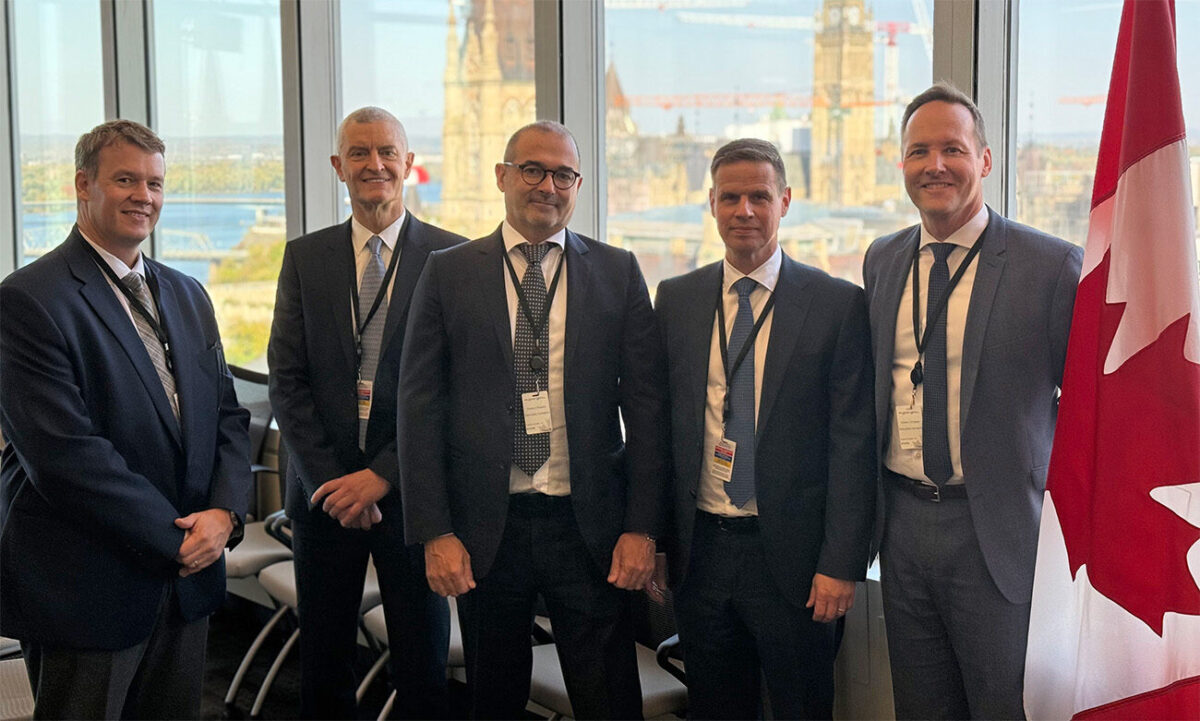
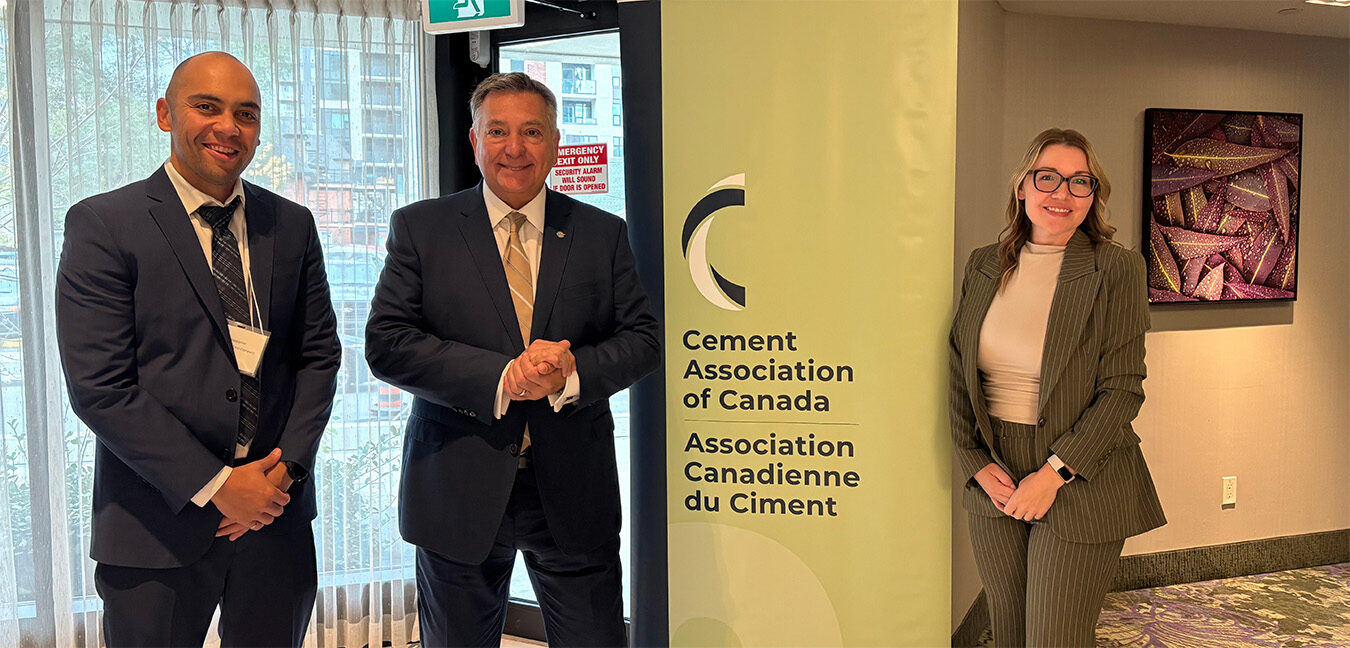
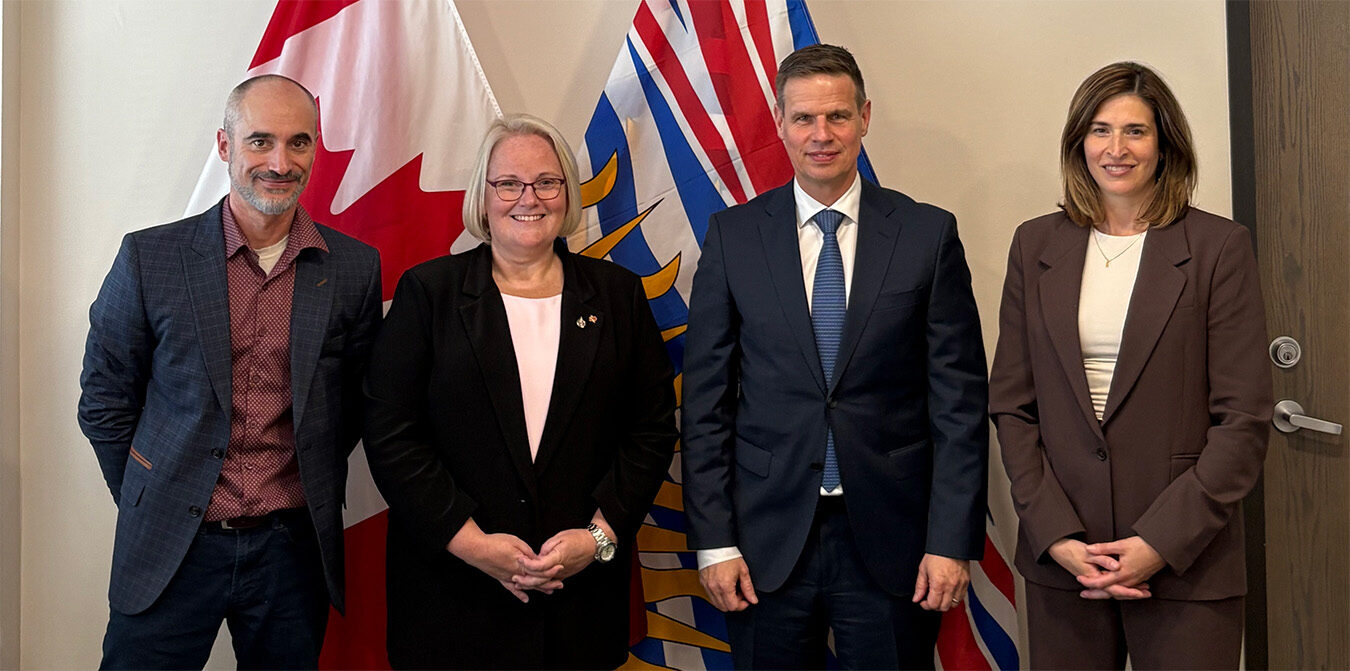
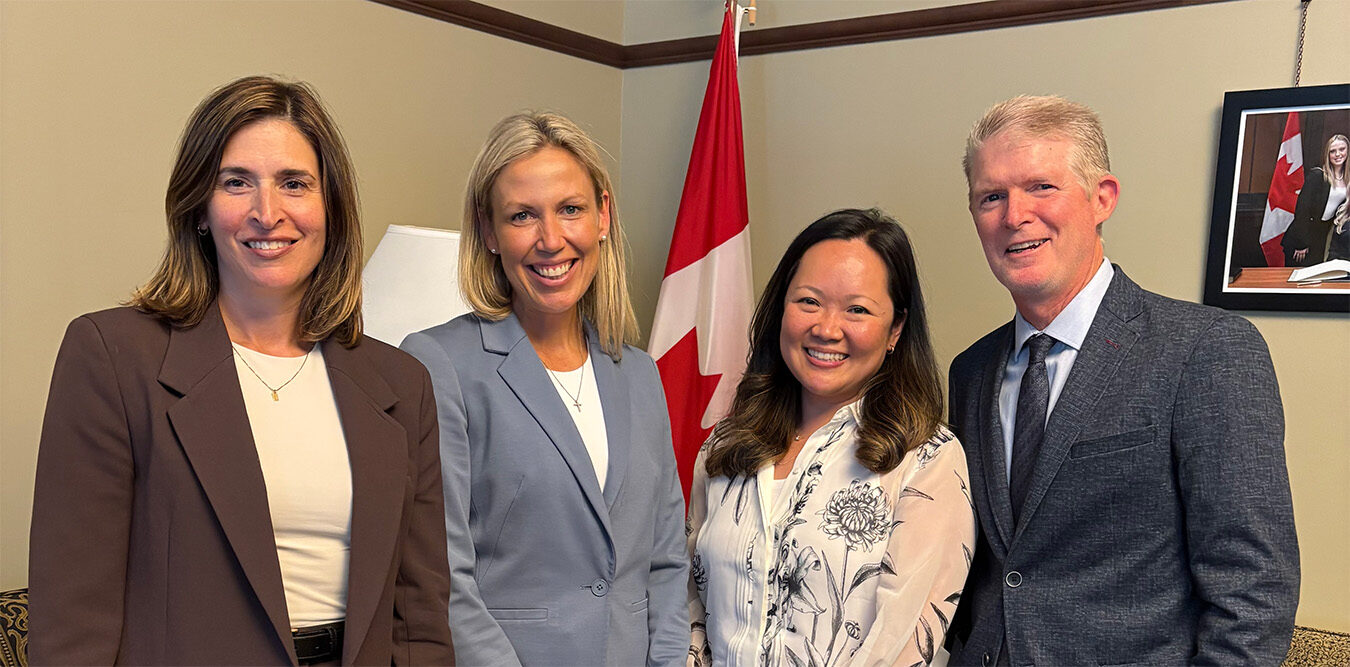
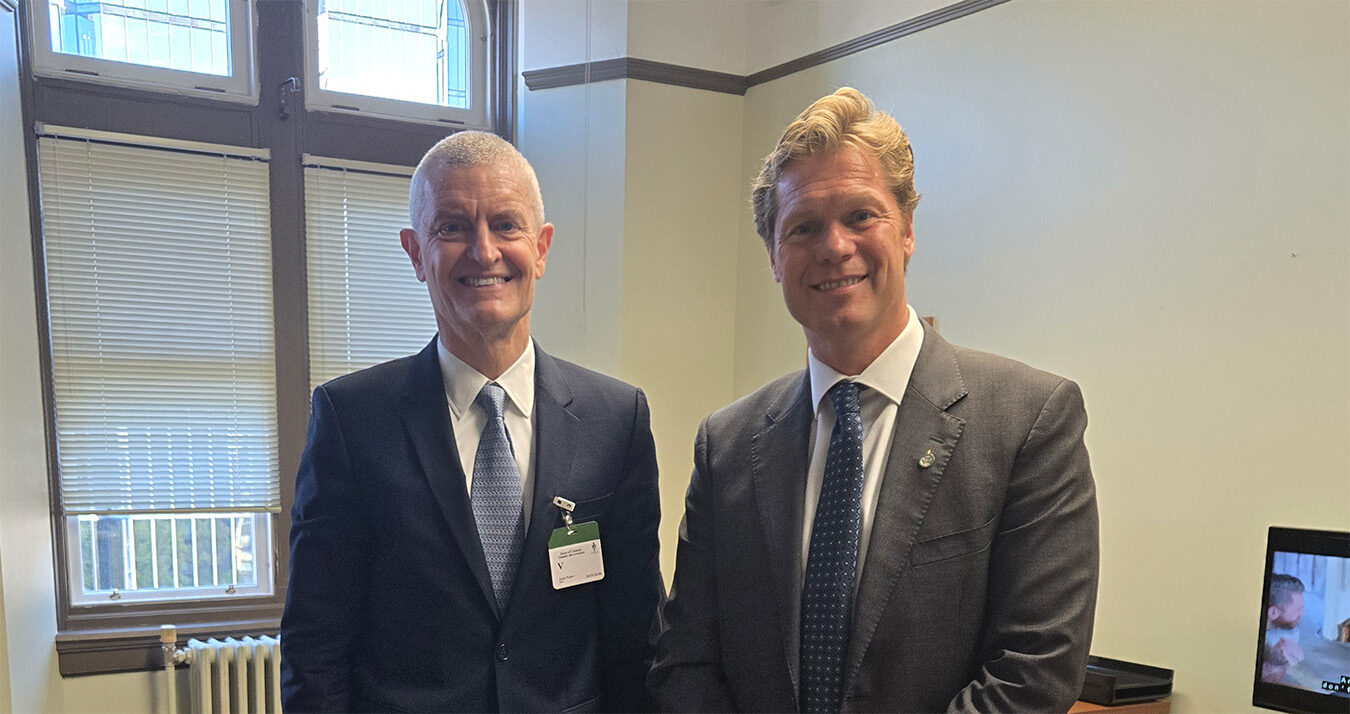
Dans le prolongement de ces efforts, nous avons organisé au début du mois d’octobre notre première journée fédérale de lobbying depuis 2023, réaffirmant ainsi la présence de l’industrie du ciment et du béton sur la Colline du Parlement. Cette journée nous a permis de travailler avec toutes sortes d’acteurs politiques, quelle que soit leur affiliation, à un moment de transition politique importante. Avec près de 25 réunions sur une journée et demie, l’événement nous a permis de :
- Rappeler que le ciment et le béton sont des produits stratégiques et qu’il est nécessaire de prendre des mesures assurant un approvisionnement national fiable pour protéger la souveraineté économique et la sécurité nationale du Canada;
- Souligner le rôle crucial que jouent le ciment et le béton dans les travaux de construction de grands projets nationaux d’infrastructure, ce qui est essentiel pour que le Canada devienne l’économie la plus forte du G7.
Nos messages clés pour la journée étaient liés à l’amélioration de la compétitivité du Canada, à l’emploi au Canada et au soutien aux investissements mondiaux, notamment en :
- Renforçant le système de tarification du carbone industriel et mettant en œuvre des programmes clés, y compris en modifiant l’ensemble des crédits d’impôt à l’investissement existants;
- Mettant en œuvre une politique d’approvisionnement « Acheter Canadien » fondée sur des critères de croissance propre afin de tirer parti des avantages offerts par les produits en ciment et en béton fabriqués dans le pays;
- Rationalisant les dépenses en infrastructures résilientes, en particulier dans les domaines de l’énergie, des transports, du commerce, de la défense et du logement.

Groupe de travail sur l’alignement transfrontalier et les droits de douane
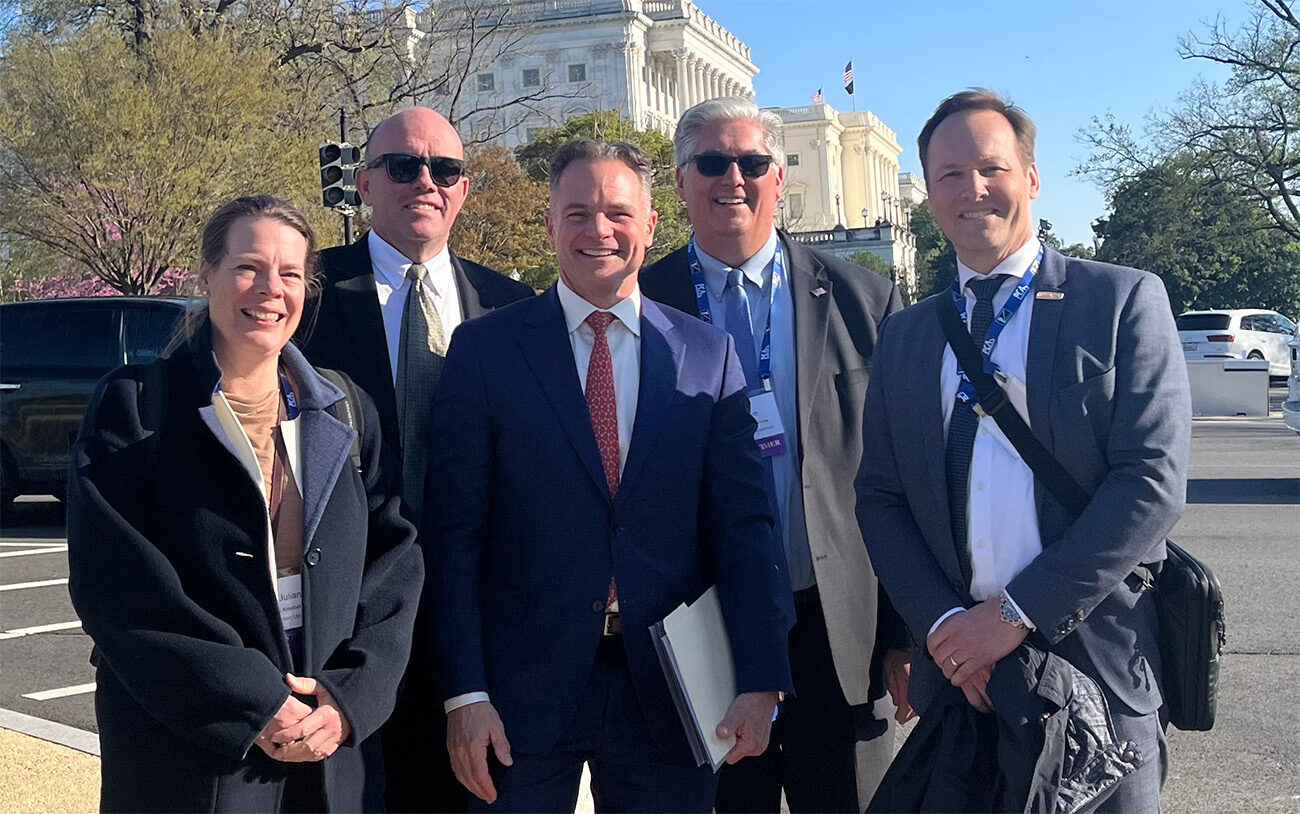
Conscients des risques émergents liés à la politique douanière des États-Unis et à l’incertitude économique qui a suivi les élections, nous avons créé et dirigé un nouveau groupe de travail axé sur les droits de douane en partenariat avec l’American Cement Association. Ce groupe, qui se composait de collègues du Canada et des États-Unis travaillant pour des entreprises membres, avait pour objectifs de suivre l’évolution des mesures commerciales américaines et leurs implications pour le ciment canadien, d’élaborer des positions de défense harmonisées pour préserver la compétitivité et de préparer des réponses coordonnées en cas de mise en place de nouvelles mesures en rapport avec les droits de douane.
Le ciment a finalement été exclu du cycle de droits de douane du printemps et de l’été, mais cette initiative a permis de renforcer la collaboration transfrontalière et a posé des bases importantes qui pourraient être utiles lors des prochaines négociations de l’Accord Canada-États-Unis-Mexique (ACEUM).
Situation dans les provinces
Au niveau provincial, l’année dernière, le Premier ministre Doug Ford a déclenché des élections anticipées en Ontario. Les résultats des élections n’ont pas grandement modifié l’environnement politique, puisque son Parti progressiste-conservateur a obtenu pour la troisième fois un gouvernement majoritaire et que le NPD demeure le parti d’opposition officiel.
Dans tout le Canada, les Premiers ministres provinciaux se sont ralliés au Premier ministre Carney pour s’opposer aux droits de douane américains et ont collaboré à la mise en place de mesures telles que l’élimination des obstacles au commerce interprovincial, dans l’espoir de stimuler l’économie canadienne.
Au fur et à mesure de l’évolution de l’environnement politique et économique, en grande partie sous l’influence des événements survenus au sud de la frontière, nous avons adapté la teneur de nos messages d’une province à une autre. Bien que nos priorités politiques fondamentales restent les mêmes, nous avons de plus en plus abordé la question de la carboneutralité sous l’angle économique plutôt qu’environnemental, en mettant en valeur la compétitivité, l’investissement et la sécurité économique dans nos communications. En 2026, l’ACC continuera à travailler avec les gouvernements provinciaux du Canada en profitant du discours axé sur le développement économique qui se fait entendre dans la plupart des provinces.
Nous nous préparerons également aux élections provinciales au Québec, qui auront lieu en octobre 2026. Après deux mandats du gouvernement de la Coalition avenir Québec (CAQ) de François Legault, un changement de gouvernement est attendu dans cette province.
Faits saillants dans la région de l’Ouest
En 2025, l’ACC a poursuivi sa mission dans l’ensemble de l’Ouest canadien en renforçant la collaboration avec ses partenaires industriels, en travaillant avec les gouvernements provinciaux et en promouvant l’innovation, la durabilité et la croissance de l’industrie. En étroite collaboration avec ses alliés provinciaux, notamment Concrete BC, Concrete Alberta, Concrete Saskatchewan et Concrete Manitoba, l’ACC a joué un rôle clé, non seulement pour promouvoir les priorités communes axées sur la création de collectivités résilientes et à faible émission de carbone, mais aussi pour soutenir les objectifs globaux du Canada en matière d’infrastructures.
Dans l’ensemble de l’Ouest canadien, les partenariats établis par l’ACC avec les associations régionales de béton restent essentiels à la réalisation de nos objectifs communs. Ce travail collaboratif contribue à façonner un avenir plus durable, plus innovant et plus résilient pour l’industrie du ciment et du béton, un avenir propice à des communautés fortes et à la compétitivité de l’industrie, un avenir qui aidera le Canada à réaliser ses ambitions en matière de logement et d’infrastructure.
Relations gouvernementales
Colombie-Britannique
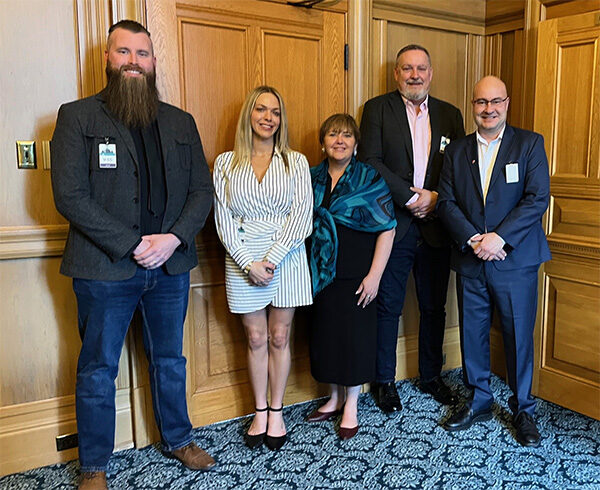
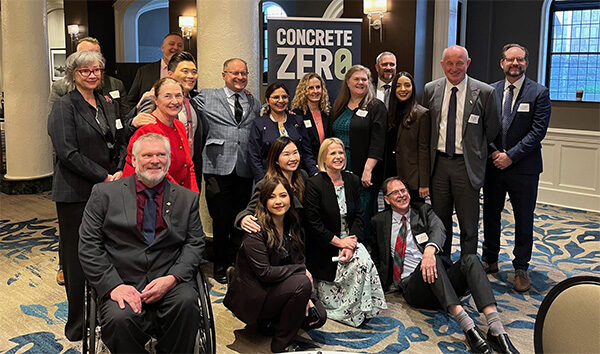
L’ACC a participé à une journée de lobbying avec Concrete BC à Victoria en mai. Nous avons souligné le rôle essentiel du ciment et du béton dans la réalisation des objectifs en matière de logement, d’infrastructure et de climat.
La journée de lobbying nous a donné l’occasion unique de communiquer avec les ministres nouvellement nommés et de leur présenter notre secteur, ainsi que de renforcer nos relations avec les ministres existants. Nous avons discuté avec eux de ce qui peut être fait pour renforcer la compétitivité de l’industrie, et notamment des améliorations à apporter à l’actuel système de tarification fondé sur le rendement (STFR), pour encourager les pratiques de marchés publics favorisant le principe « Acheter Britanno-Colombien » et pour promouvoir les marchés publics d’infrastructures. Nous avons eu la possibilité de rencontrer des membres du gouvernement et de l’opposition pour leur expliquer l’importance de l’industrie et comment renforcer cette dernière.
Cela a préparé le terrain pour les réunions de suivi qui ont eu lieu à l’automne avec le cabinet du Premier ministre, le ministre de l’Emploi et de la Croissance économique, Ravi Kahlon, le vice-ministre de l’Énergie et du Changement climatique, et la ministre de l’Environnement, Tamara Davidson, ainsi qu’avec de nombreux membres de l’opposition. En plus de renforcer nos messages sur les marchés publics et le STFR, nous avons plaidé en faveur de nos membres pour que les changements des frais proposés par Metro Vancouver soient communiqués de manière transparente.
L’ACC a présenté une soumission aux consultations prébudgétaires de 2026 en proposant les recommandations clés suivantes :
- Accroître et accélérer les investissements de la Colombie-Britannique dans les projets d’infrastructure, en particulier dans les domaines de l’énergie, des transports, du commerce et du logement;
- Mettre en œuvre une politique d’approvisionnement « Acheter Britanno-Colombien » qui privilégie les matériaux de construction à faible teneur en carbone afin de tirer parti des avantages offerts par les produits fabriqués dans le pays, tels que le ciment, l’acier, l’aluminium et les produits de la sylviculture;
- Dans le cadre de l’examen annuel du programme STFR, envisager des mises à jour concernant les carburants de remplacement à base de déchets afin de garantir l’intégrité du programme et d’encourager l’utilisation de sources de carburants biogènes à base de déchets et à faible teneur en carbone;
- Mettre en œuvre des programmes par l’intermédiaire du CleanBC afin d’assurer la compétitivité durable et d’attirer des investissements dans le secteur du ciment et du béton de la Colombie-Britannique.
Nous continuons à chercher des moyens de renforcer nos relations avec le gouvernement de la Colombie-Britannique et de défendre les intérêts de nos membres dans cette province, en particulier en ce qui concerne la protection et l’expansion de l’offre nationale et de l’utilisation du ciment et du béton fabriqués en Colombie-Britannique.
Alberta
L’ACC et Concrete Alberta continuent de travailler avec le gouvernement provincial pour promouvoir l’innovation dans les domaines des produits à faible émission de carbone et pour souligner le rôle joué par l’industrie du ciment et du béton pour assurer la croissance économique et la réalisation des objectifs climatiques de l’Alberta. En 2026, l’ACC étendra ses efforts de plaidoyer en œuvrant délibérément pour renforcer les relations avec le gouvernement et en mettant en valeur les contributions économiques et environnementales de nos membres dans toute la province.
Saskatchewan
En 2025, avec nos alliés dans l’industrie du béton, nous avons continué à mettre en évidence le leadership démontré par l’industrie, qui soutient les initiatives provinciales, les investissements dans les infrastructures, les solutions à faible teneur en carbone et les objectifs climatiques. L’ACC et Concrete Sask ont travaillé ensemble pour que les décideurs politiques reconnaissent le rôle essentiel du ciment et du béton dans la construction de communautés résilientes.
Manitoba
Le Manitoba demeure un environnement politiquement stable sous la direction du Premier ministre Wab Kinew. L’ACC et Concrete Manitoba ont continué à harmoniser leurs priorités pour le plaidoyer en rapport avec l’investissement dans les infrastructures, les pratiques de construction durable et la résilience des infrastructures. Ce partenariat vise à établir l’industrie du ciment et du béton comme acteur de premier plan dans la réalisation des objectifs à long terme du Manitoba en matière d’économie, d’infrastructure et d’environnement.
Affaires commerciales et techniques
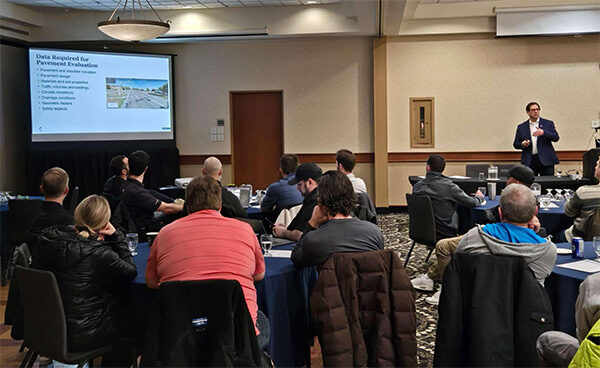
L’ACC est restée active et a renouvelé son engagement à collaborer avec ses alliés dans toute la région pour communiquer des informations aux organismes municipaux et provinciaux, ainsi qu’à d’autres parties prenantes, dans le but de les sensibiliser davantage à l’initiative Béton Zéro. En 2025, nous avons continué à renforcer notre présence et notre leadership en collaborant avec les partenaires de l’industrie, le gouvernement et les parties prenantes pour faire progresser la durabilité, l’innovation et la compétitivité du secteur du ciment et du béton.
Renforcement de la collaboration industrielle en Colombie-Britannique
L’ACC a participé activement à des initiatives provinciales clés visant à soutenir la croissance et la durabilité de l’industrie. Elle a notamment :
- Participé à la séance de planification stratégique de Concrete BC, apportant des idées sur la politique, l’innovation et le plaidoyer;
- Soutenu BuildEx Vancouver et discuté des possibilités de collaboration dans l’environnement bâti pour construire avec d’autres partenaires de l’industrie;
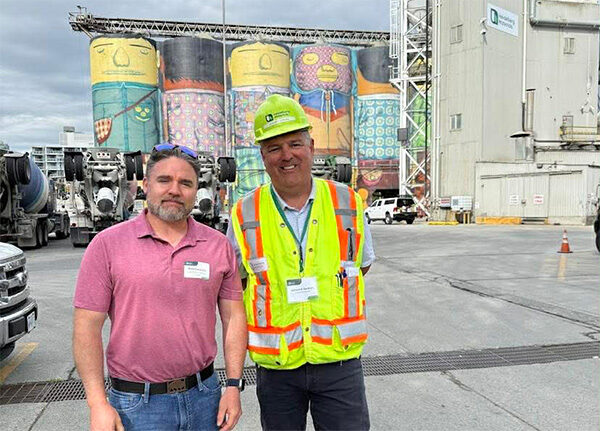
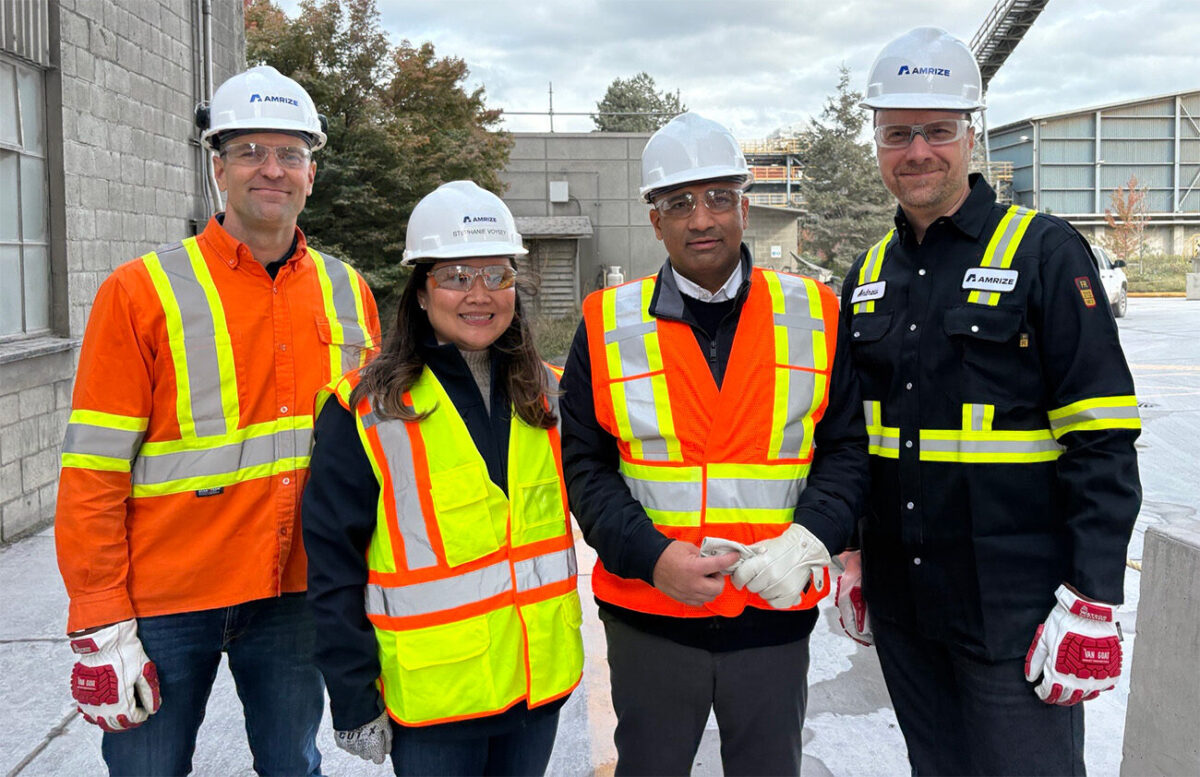
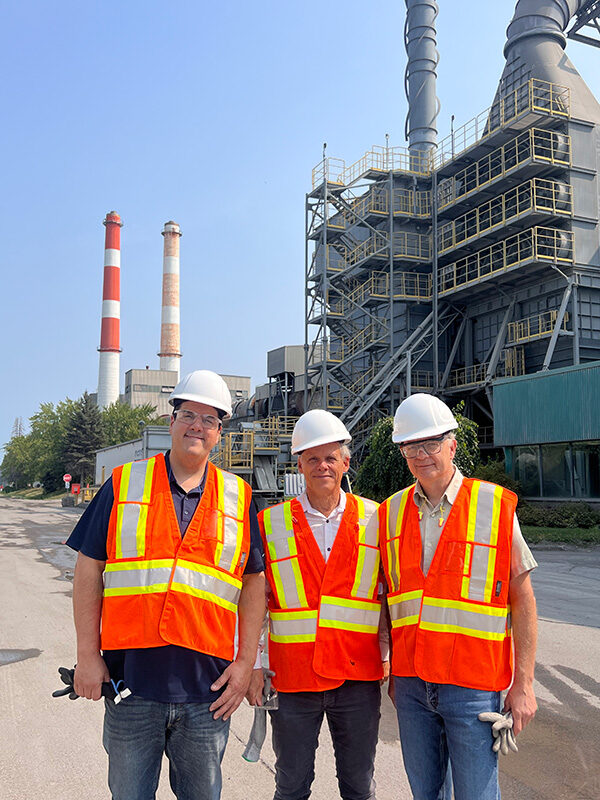
- Participé à une visite guidée d’une cimenterie menée par le comité technique de Concrete BC avec des représentants du ministère des Transports et de l’Infrastructure de la Colombie-Britannique, ce qui a permis à ces derniers de découvrir eux-mêmes le processus de fabrication du ciment et les progrès réalisés en matière de durabilité;
- Siégé au comité consultatif sur les déchets solides et le recyclage de Metro Vancouver, qui soutient les initiatives d’économie circulaire;
- Continué de participer au conseil d’administration de Concrete BC, en contribuant au travail de plaidoyer et aux priorités techniques dans toute la province.
Renforcement de la collaboration industrielle et échange de connaissances en Alberta
Les principales activités ayant été menées sont les suivantes :
- Accompagnement du cours sur le béton de niveau II de Concrete Alberta au Southern Alberta Institute of Technology (SAIT), afin d’améliorer la formation technique et le développement des effectifs;
- Présentation lors de la conférence Carbon Conversation 101 de la Canadian Concrete Masonry Producers Association (CCMPA) à Edmonton, mettant en évidence les possibilités de collaboration offertes par le plan Béton Zéro dans le secteur des matériaux de construction;
- Participation avec des leaders à la table ronde de Richardson sur la diversification du commerce et la compétitivité de l’Ouest canadien;
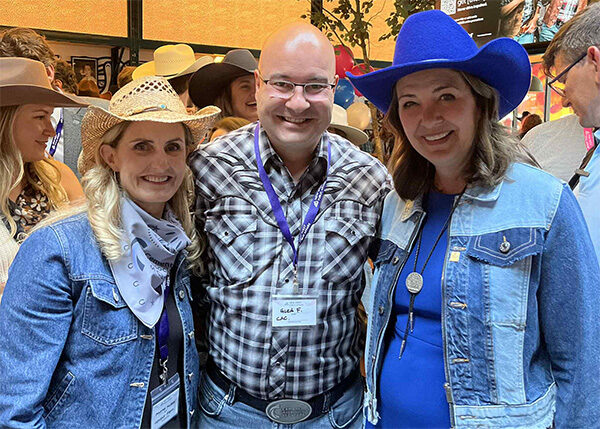
- Organisation conjointe d’un événement à l’occasion du Calgary Stampede avec de nombreux politiciens provinciaux et municipaux afin de renforcer les relations et de promouvoir les contributions de l’industrie à l’environnement bâti;
- Présentation soulignant la corrélation existant entre l’énergie et la résilience climatique dans le secteur du ciment lors de l’événement WPC Energy Canada Ignite;
- Participation à l’exposition BuildEx Calgary, notamment en présentant des solutions de construction durables et à faible émission de carbone et en soulignant le rôle de chef de file du secteur du ciment en matière de décarbonisation;
- Participation à l’atelier Alberta Innovates sur l’utilisation et la conversion du carbone, pour soutenir les initiatives de circularité du carbone;
- Maintien d’une forte présence à l’assemblée générale annuelle (AGA) de Concrete Alberta et à d’autres événements organisés par les membres, afin de renforcer la collaboration en matière de plaidoyer et de durabilité.

Glen Furtado, directeur principal de la construction et de l’innovation chez l’ACC, faisant une présentation à Ignite Talks : Le rôle de l’énergie dans la société canadienne, organisée par WPC Energy à Calgary.
Renforcement de la collaboration et travail avec les acteurs du secteur en Saskatchewan
L’ACC a poursuivi sa collaboration avec Concrete Saskatchewan, faisant progresser le travail réalisé pour atteindre les objectifs communs en matière de plaidoyer, d’éducation et de participation de l’industrie au développement économique de la province.
L’ACC a soutenu activement différents programmes et événements de Concrete Saskatchewan, notamment les suivants :
- Participation au tournoi de golf annuel de Concrete Sask afin de nouer des relations étroites avec les acteurs du secteur;
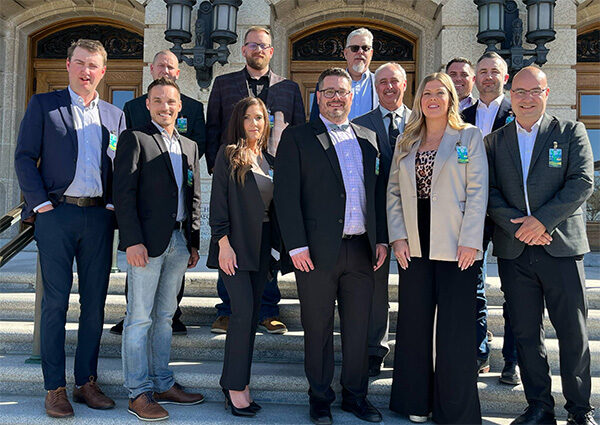
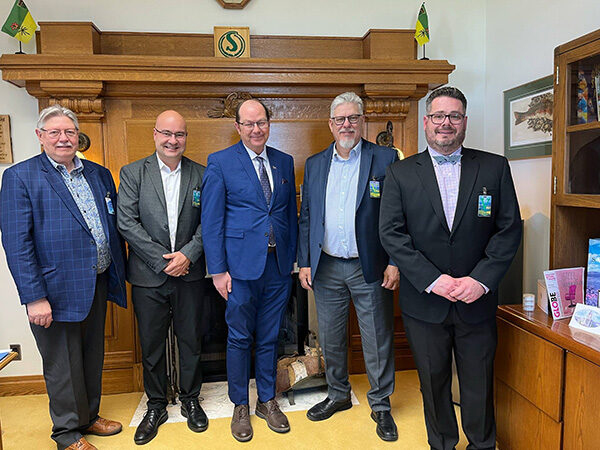
- Participation aux journées de lobbying à l’Assemblée législative de la Saskatchewan en mai, au cours desquelles l’ACC et Concrete Sask ont rencontré des membres de l’Assemblée législative et des représentants du gouvernement pour leur faire découvrir les contributions de l’industrie à la croissance durable et à l’innovation;
- Participation à l’assemblée générale annuelle de Concrete Saskatchewan pour discuter des priorités et des opportunités existant dans le secteur;
- Élection au conseil d’administration de Concrete Sask pour renforcer les liens avec la région.
L’ACC continuera à travailler en étroite collaboration avec Concrete Sask pour faire progresser l’innovation, renforcer le plaidoyer et promouvoir le développement de l’infrastructure dans toute la province.
Manitoba
L’ACC a poursuivi sa collaboration avec Concrete Manitoba, notamment en matière de plaidoyer, de travail avec les acteurs du secteur et de croissance durable. L’ACC a soutenu différents événements et initiatives de Concrete Manitoba, notamment les suivants :
- Participation à l’assemblée générale annuelle de Concrete Manitoba pour discuter des nouvelles tendances et des priorités de l’industrie;
- Participation au tournoi de golf de Concrete Manitoba, qui offre des possibilités d’échanges directs avec les membres et les parties prenantes.
Nous sommes impatients de continuer à resserrer nos liens avec Concrete Manitoba en 2026 grâce à notre collaboration continue dans les domaines de l’éducation, du plaidoyer et du leadership technique.
Faits saillants dans la région de l’Ontario
L’année 2025 a commencé par des élections anticipées qui se sont tenues le 27 février. Avec le déclenchement des élections plus d’un an avant la date prévue par la législation et une campagne électorale de courte durée, les conservateurs ont pris leur opposition au dépourvu, ce qui a permis à Doug Ford de former un gouvernement majoritaire pour la troisième fois (la première fois qu’un parti y parvient en Ontario depuis 1959) et au NPD de rester le parti d’opposition officiel. Le seul changement significatif observé après les élections a été le retour des libéraux de l’Ontario au statut de parti officiel, ce qui rehausse leur visibilité au sein du corps législatif et des commissions tout en leur permettant d’accéder à davantage de fonds pour financer leurs activités.
Relations gouvernementales
Nous avons axé nos messages et nos demandes sur les grandes priorités de la province, telles qu’elles avaient été définies par le gouvernement de l’Ontario, notamment le logement, l’infrastructure, l’emploi, l’investissement dans l’Ontario et la sécurité économique.
Nous avons travaillé à plusieurs priorités clés au cours de l’année : le captage, l’utilisation et le stockage du carbone (CUSC), l’approvisionnement et l’investissement dans la modernisation et la compétitivité. Ces priorités ont été renforcées par près de 50 contacts que nous avons eus avec des élus et leurs équipes au cours de l’année, notamment lors de réunions, de visites de cimenteries, de la journée de lobbying de l’Ontario et de diverses conférences et dîners organisés avec des représentants du gouvernement, élus et non élus.
Nous avons également souligné tout au long de l’année les apports que fait le secteur de l’autre côté de la frontière. En particulier, plus de 40 % de la production de ciment de l’Ontario est exportée vers les États-Unis, ce qui permet de répondre à près d’un tiers des besoins d’importation de ce pays. Il était important de souligner le rôle important de l’industrie dans le maintien de la stabilité économique transfrontalière et de la continuité de l’offre.
L’ACC a participé activement à des initiatives provinciales clés visant à soutenir la croissance et la durabilité de l’industrie. Elle a notamment :
- Participé aux consultations prébudgétaires de l’Ontario en mettant en évidence les priorités de l’industrie auprès du comité permanent des finances et des affaires économiques et du ministre des Finances;
- Pris part aux consultations sur le captage, l’utilisation et le stockage du carbone menées par le ministre des Ressources naturelles et son assistant parlementaire;
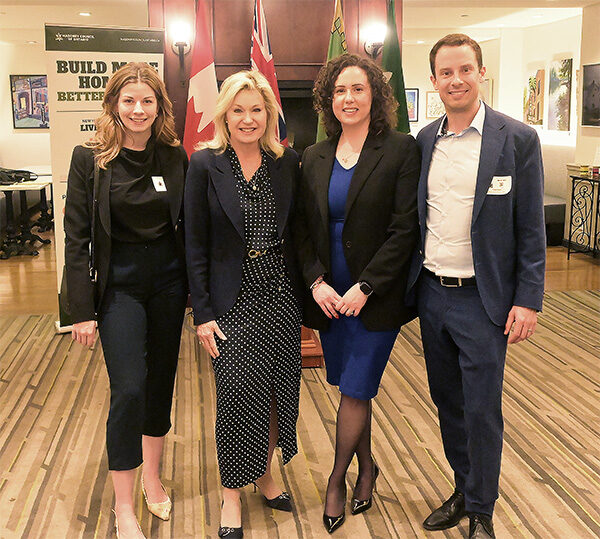
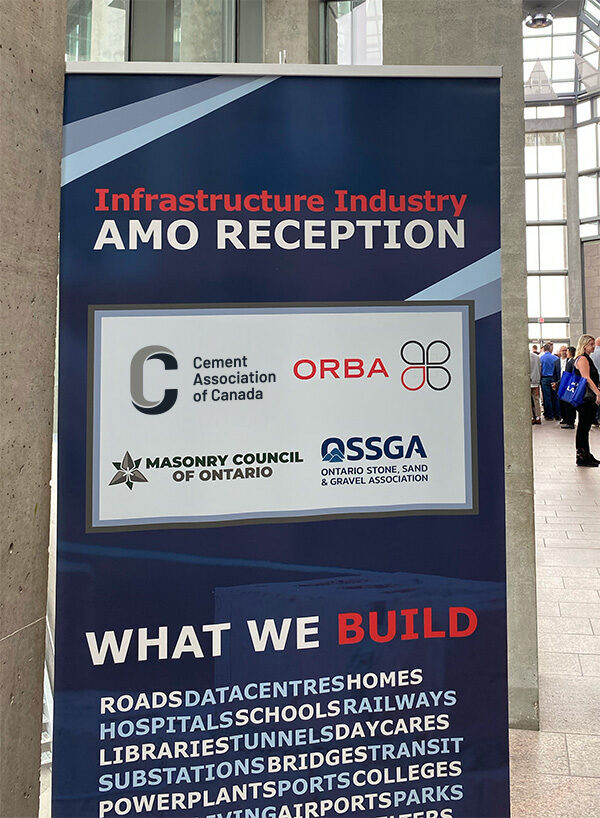
- Organisé une réception de haut niveau lors de la conférence de l’Association des municipalités de l’Ontario, en collaboration avec d’autres associations professionnelles, afin d’améliorer la visibilité du secteur et de resserrer nos liens avec les principaux décideurs municipaux et provinciaux;
- Participé à une table ronde avec le ministre de l’Infrastructure pour discuter des investissements dans l’infrastructure de la province et des enjeux de la compétitivité;
- Communiqué, en collaboration avec Concrete Ontario, avec le ministre et le ministère des Transports pour discuter des enjeux de la compétitivité future dans le domaine des transports dans la province;
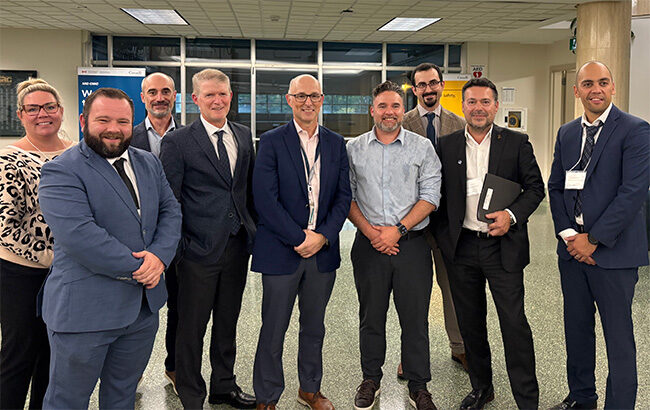
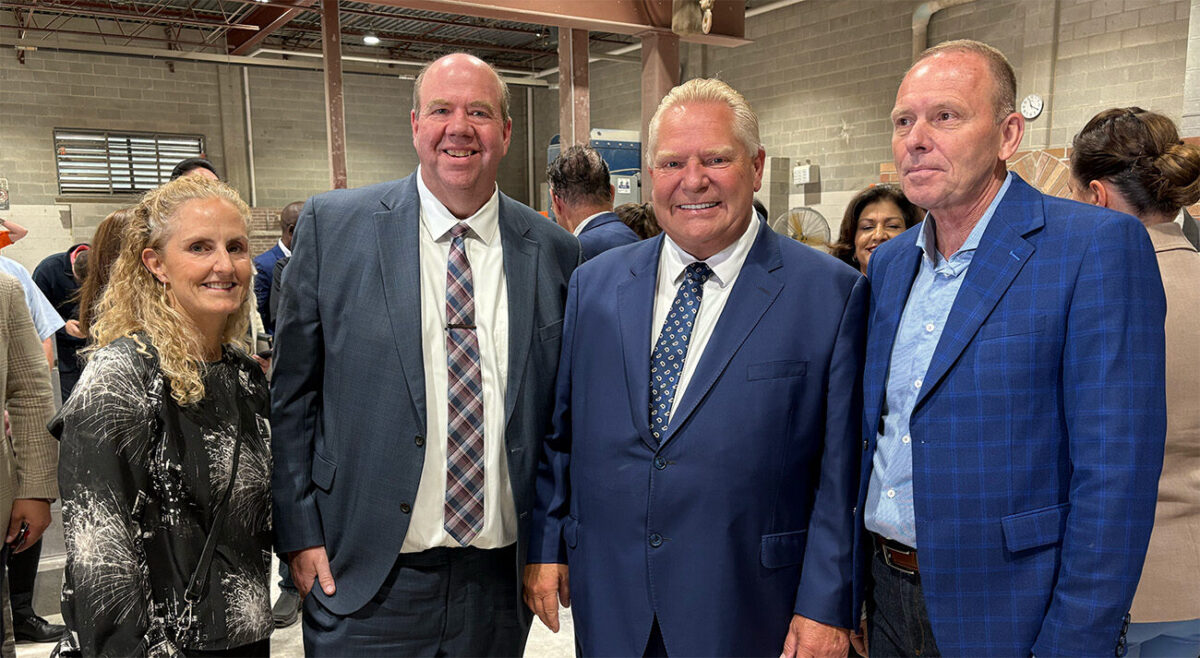
- Assisté à un communiqué de presse provincial lors duquel le Premier ministre et le ministre du Travail ont annoncé le financement de la formation au développement des compétences pour Concrete Ontario, puis à un autre communiqué de presse provincial lors duquel le ministre de l’Infrastructure et le ministre des Services au public et aux entreprises et de l’Approvisionnement ont annoncé l’initiative « Acheter Ontarien ».
Capture, utilisation et stockage du carbone
L’ACC a participé à plusieurs tables rondes avec le gouvernement dans le cadre des travaux visant à permettre le captage et le stockage du carbone (CSS) dans la province par le biais du projet de loi intitulé Loi sur le stockage géologique du carbone. Le projet de loi a reçu la sanction royale en décembre 2025.
L’ACC a généralement soutenu les efforts du gouvernement visant à faire avancer le cadre CSC. Tout au long du processus de consultation, nous avons souligné à quel point il est important que le cadre soit clair pour les projets de CSC en Ontario et que les processus de délivrance des permis, le transfert de responsabilité, les droits sur l’espace interstitiel et l’accès aux terres soient bien définis. L’ACC continue d’insister sur la nécessité de la clarté réglementaire et de la certitude pour les promoteurs de projets.
Approvisionnement – Acheter Ontarien
Nous avons été encouragés par les progrès réalisés dans le cadre de cette importante initiative. Au cours de l’année écoulée, nous nous sommes entretenus à plusieurs reprises avec le gouvernement provincial de l’Ontario sur cette question et nous lui avons demandé non seulement de protéger et de soutenir la fabrication de ciment et de béton en Ontario, mais aussi d’adopter une politique de marchés publics fondée sur le principe « Acheter Ontarien » pour les produits à base de ciment et de béton. Vu l’incertitude économique croissante due au risque que des droits de douane soient imposés et à d’autres politiques internationales, y compris la politique européenne du mécanisme d’ajustement carbone aux frontières (MACF), les économies du Canada et de l’Ontario risquent fort de perdre des parts du marché national du ciment au profit de concurrents étrangers.
L’ACC a recommandé que l’Ontario adopte la norme sur le carbone intrinsèque en construction du Secrétariat du Conseil du Trésor du Canada (SCT), qui fixe des exigences en matière de divulgation et de réduction du carbone intrinsèque dans le béton utilisé dans les projets applicables. Cette norme est en vigueur depuis 2022 et s’applique à tous les projets de construction du gouvernement fédéral chiffrés à plus de 5 millions de dollars au Canada.
L’ACC a été l’une des quelques parties prenantes invitées à l’annonce faite par les ministres à la fin du mois de novembre. La législation a été présentée au corps législatif le même jour et a reçu la sanction royale en décembre. Cette loi-cadre fournit le mécanisme nécessaire à la poursuite des consultations sur les règlements connexes, et l’ACC participera activement à ce processus.

Soumission budgétaire de l’Ontario
Comme les années précédentes, nous avons participé au processus de soumission prébudgétaire de l’Ontario en présentant les demandes clés suivantes :
- Permettre aux entreprises de ciment et de béton situées en Ontario de rester compétitives en créant un environnement réglementaire et d’investissement qui attire des capitaux dans la province, notamment avec de nouvelles opportunités stratégiques comme le captage, l’utilisation et le stockage du carbone (CUSC) ainsi que l’amélioration des opportunités d’économie circulaire comme l’utilisation de la biomasse résiduelle comme combustible dans les fours à ciment;
- Exploiter le pouvoir d’achat de l’Ontario pour soutenir les entreprises et les emplois locaux tout en faisant croître notre économie;
- Promouvoir l’utilisation de granulats de béton recyclé dans la province aux niveaux municipal, régional et provincial.
Collaboration avec les alliés
Nous continuons à nouer et à renforcer nos liens avec nos alliés du secteur du béton. Cette année, lors de la conférence annuelle de l’Association des municipalités de l’Ontario, nous avons organisé une réception pour l’ensemble de l’industrie en collaboration avec l’Ontario Stone, Sand and Gravel Association, le Masonry Council of Ontario et l’Ontario Road Builders Association. La réception a été une excellente occasion pour l’ACC et ses membres de rencontrer des politiciens municipaux et provinciaux et de tirer parti de la force collective de notre industrie.
Journée de lobbying en Ontario
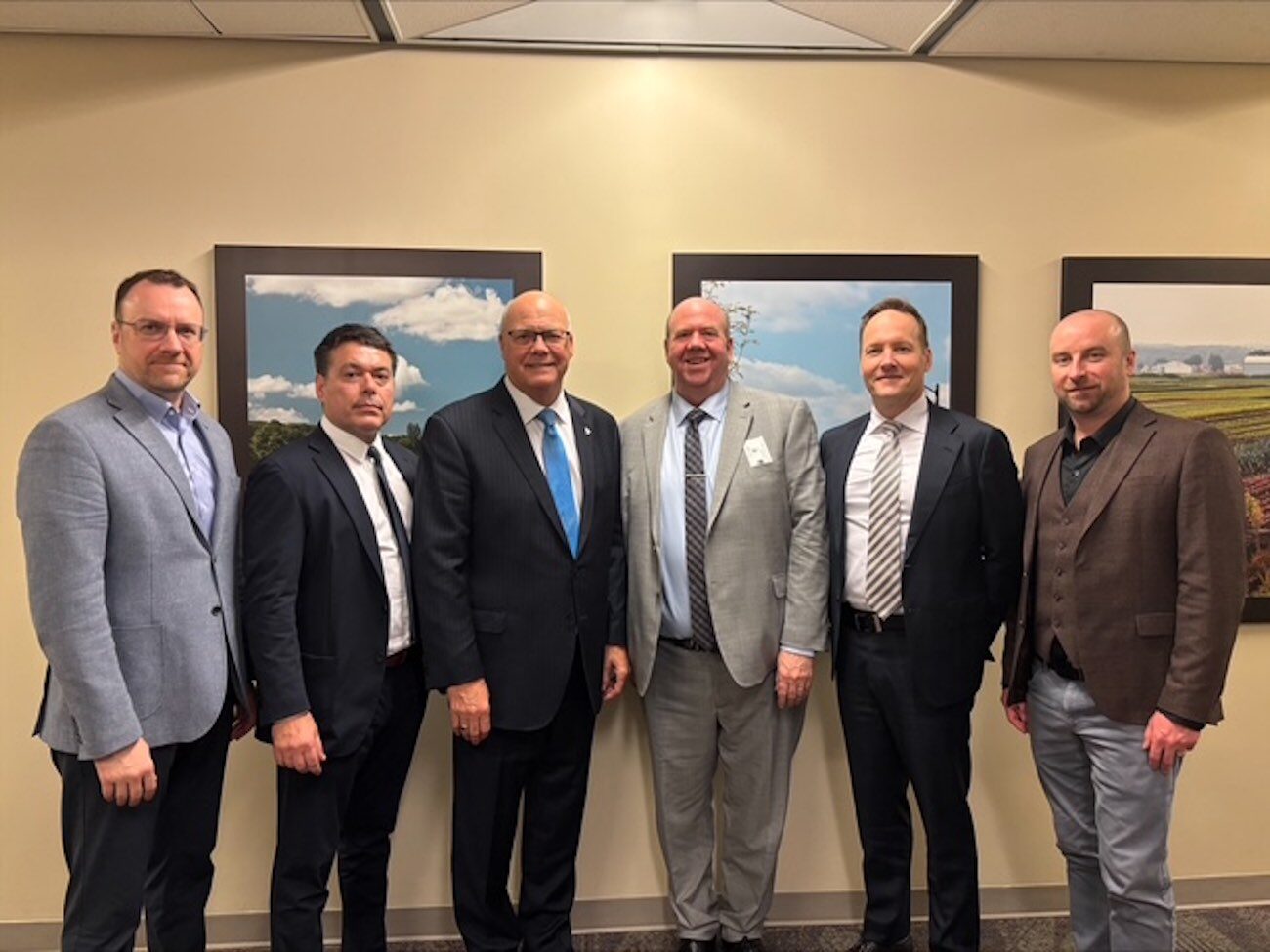
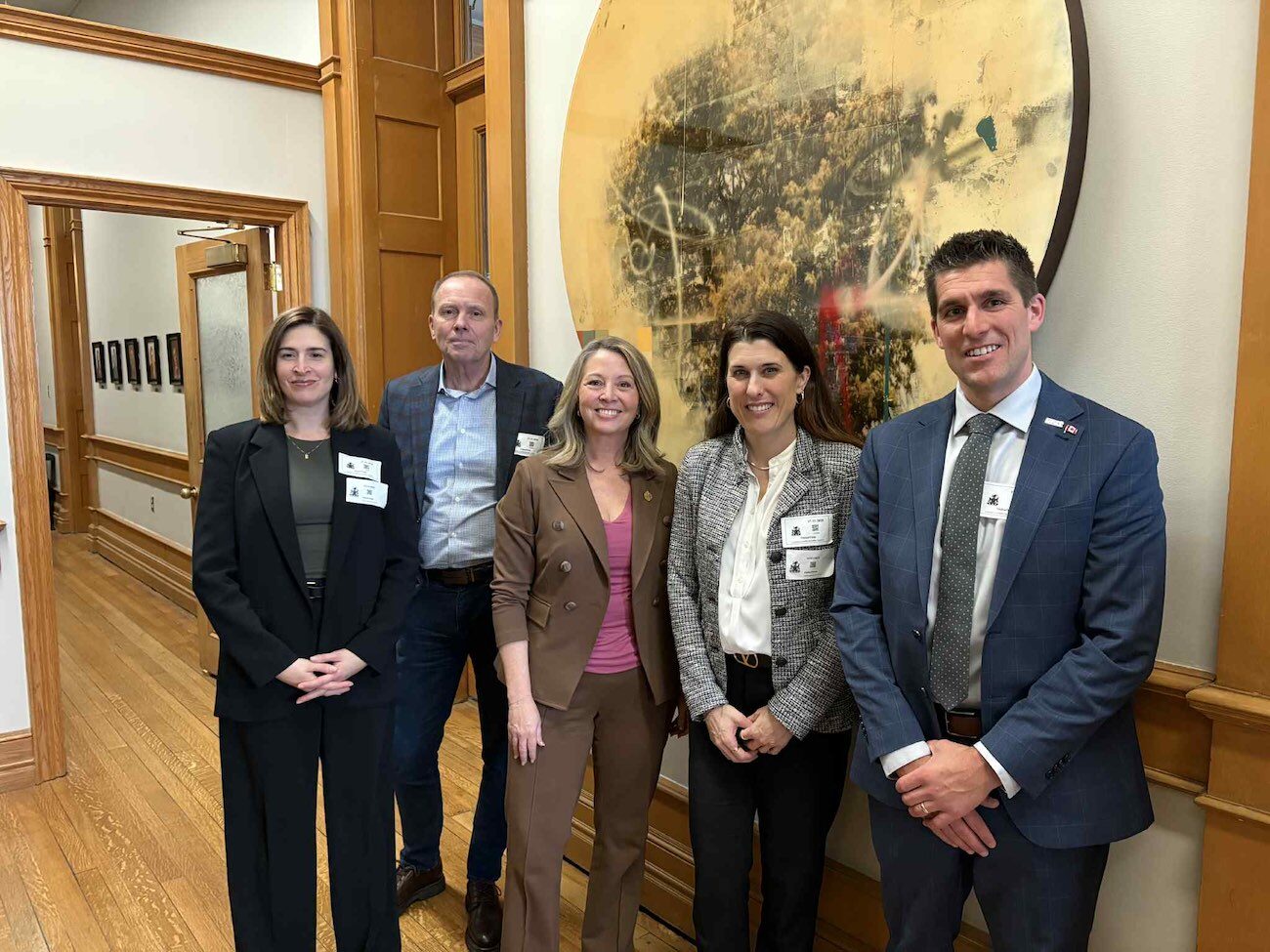
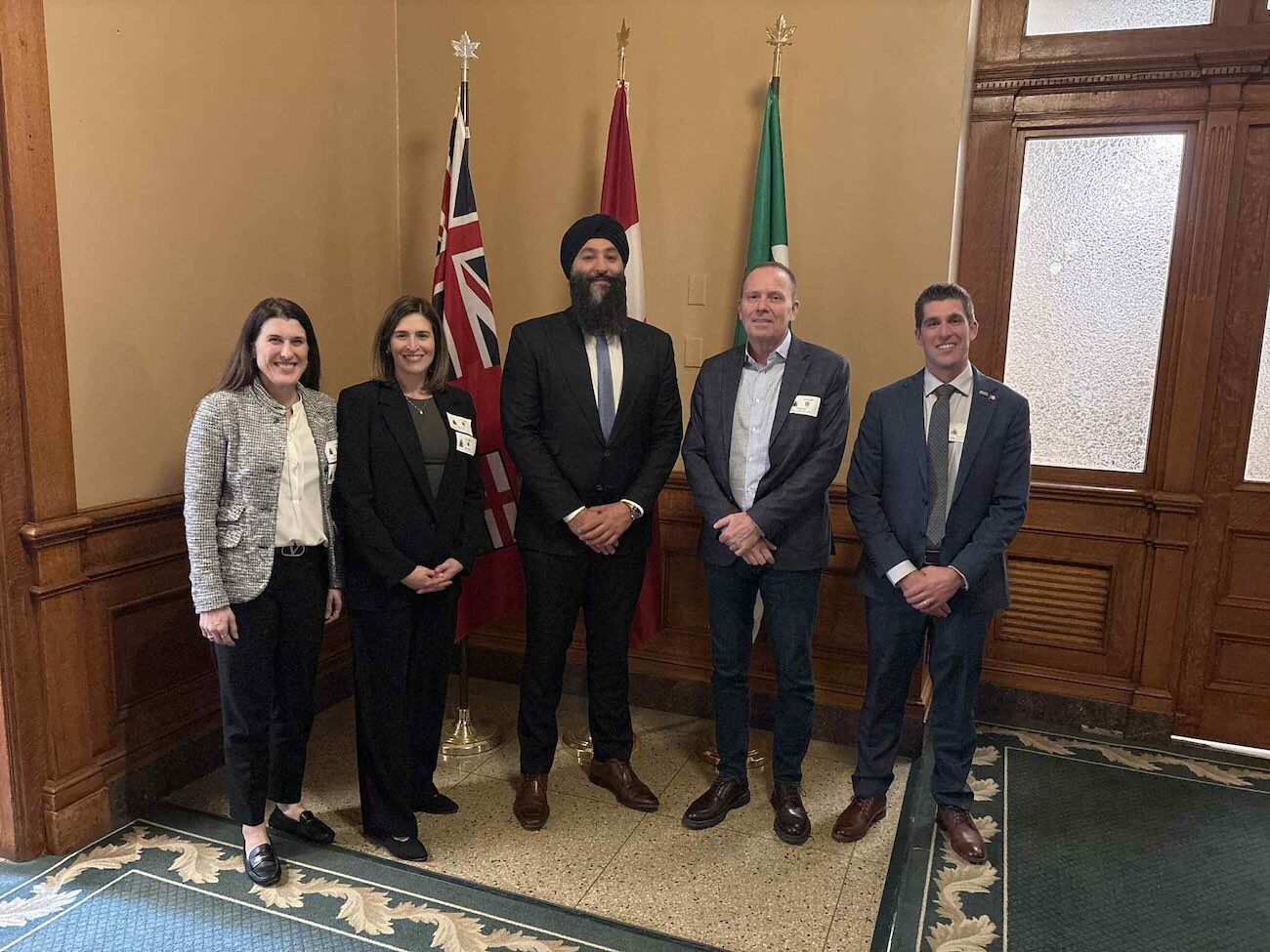
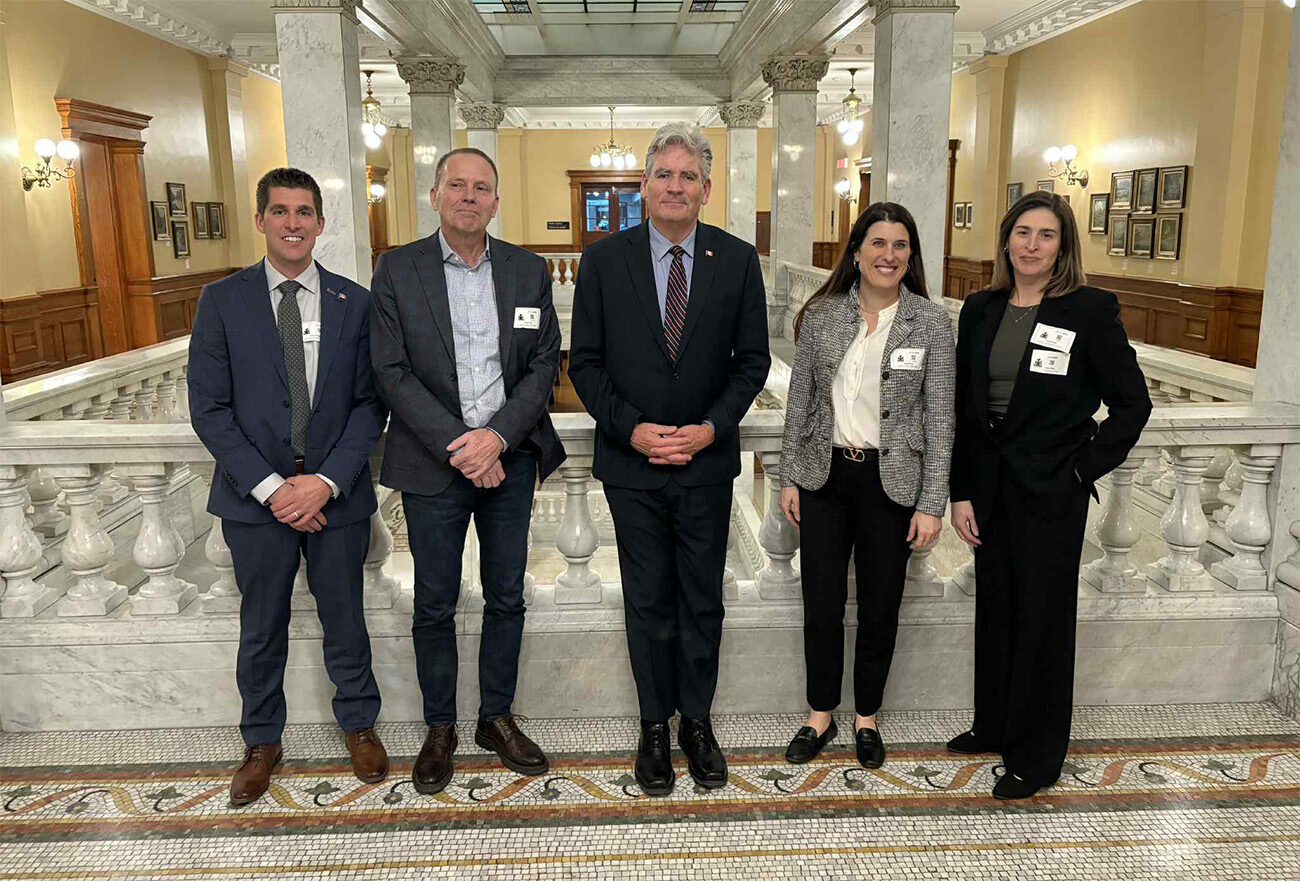
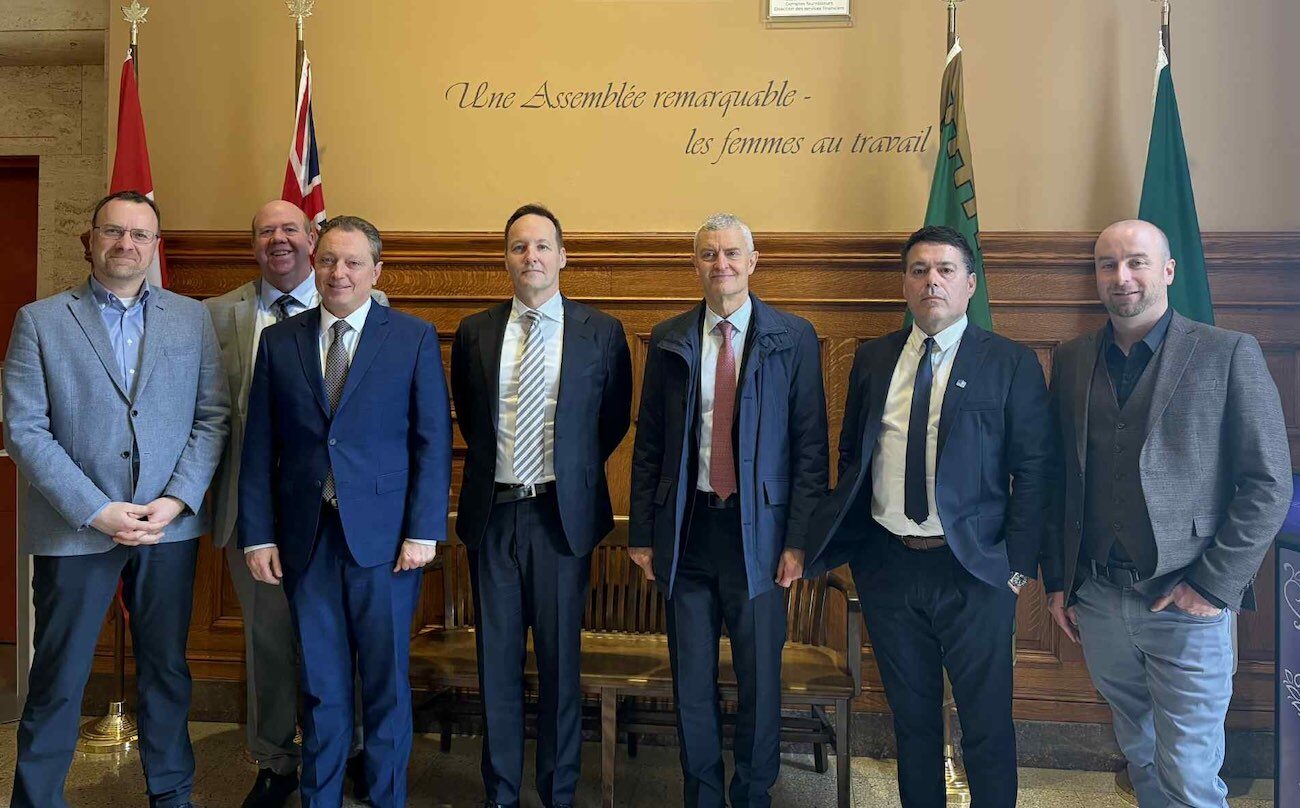
Notre édition 2025 a été l’une de nos journées de lobbying les plus remplies de notre histoire. En partenariat avec Concrete Ontario, nous avons tout au long de la journée organisé plus de 18 réunions avec des ministres, des membres du cabinet du Premier ministre, des députés et des hauts fonctionnaires des cabinets ministériels. Nous avons pu mettre en évidence l’importance de l’industrie pour la province et le rôle qu’elle joue pour aider la province à atteindre ses objectifs ambitieux en matière d’infrastructure.
Cette année, nos efforts ont produit les résultats suivants :
- Un nombre record de réunions avec tous les grands ministères, le cabinet du Premier ministre et des députés ciblés;
- Un message unifié axé sur le soutien et la protection de la fabrication nationale de ciment et de béton :
- une politique d’approvisionnement « Acheter Ontarien » pour le ciment et le béton,
- l’accès aux programmes de financement provinciaux pour les projets de modernisation transformateurs qui améliorent la productivité, protègent les emplois et attirent des capitaux d’autres pays en Ontario,
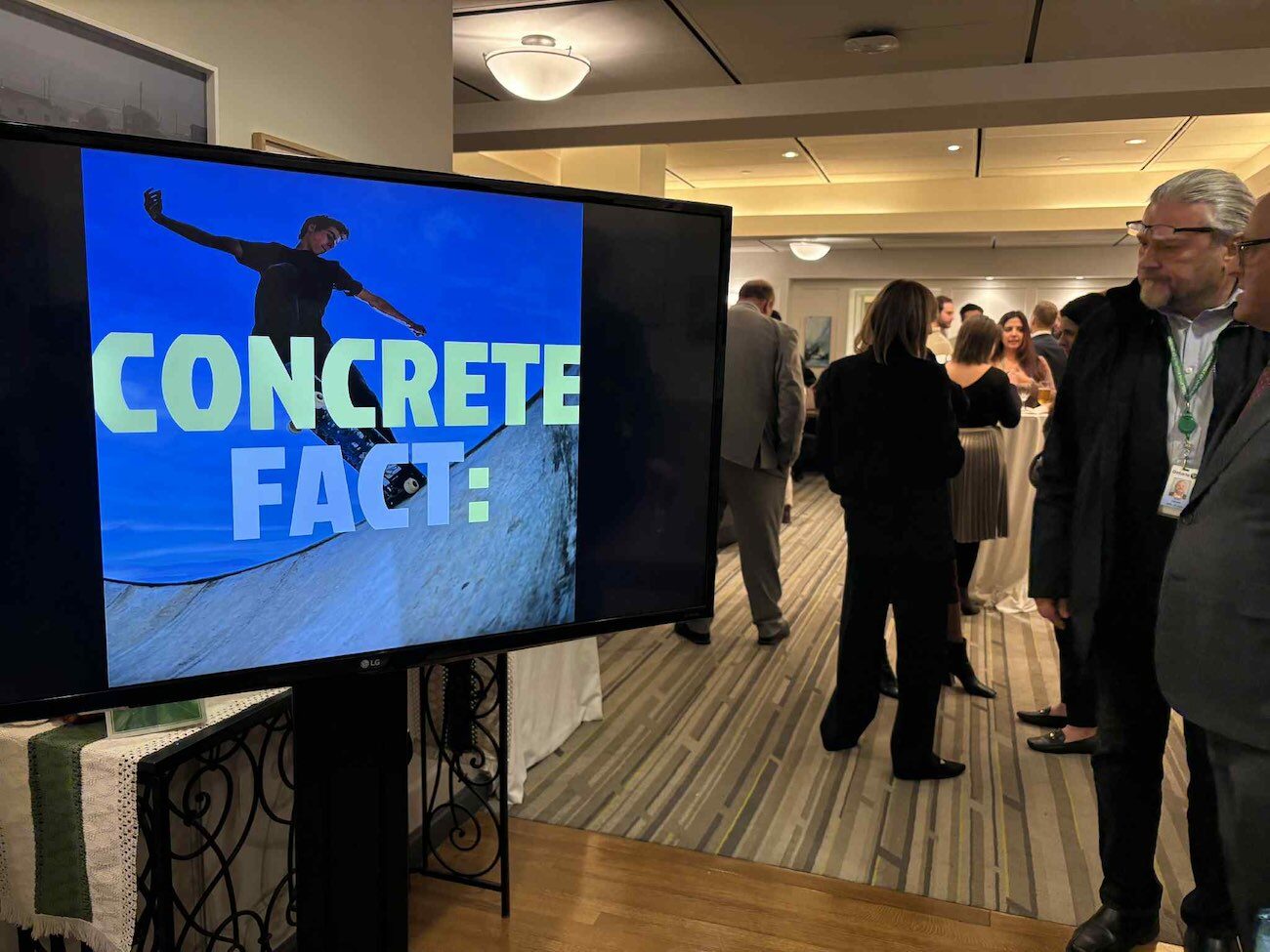
- Une soirée populaire organisée par nos soins qui a attiré un grand nombre de ministres, de hauts fonctionnaires et de législateurs de tous les partis politiques.
Cet événement continue de renforcer considérablement nos relations à Queen’s Park et d’accroître la visibilité de nos priorités politiques.
Plaidoyer au nom de Concrete Ontario
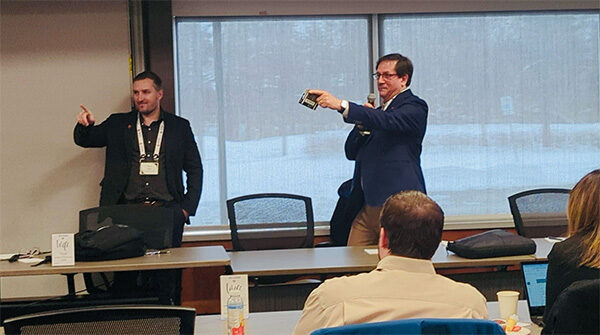
Nous continuons à travailler à des questions de plaidoyer spécifiques à la province au nom de notre partenaire, Concrete Ontario. Cette année, nous l’avons accompagné pour l’élaboration et la soumission d’une demande auprès du Fonds de développement des compétences pour l’aider à résoudre l’un des problèmes de main-d’œuvre les plus urgents du secteur, à savoir le recrutement et la fidélisation des chauffeurs. Cette demande a été approuvée. Ce partenariat continu témoigne de la force et de l’utilité des efforts de plaidoyer coordonnés de nos deux associations.
Faits saillants dans la région du Québec
Le gouvernement de la Coalition avenir Québec (CAQ), dirigé par le Premier ministre François Legault, continue de montrer des signes de fatigue alors qu’il entame les derniers mois de son second mandat. Non seulement la CAQ est à la traîne dans les sondages, loin derrière le Parti québécois (PQ) et les libéraux, mais elle a également souffert de la démission de deux ministres à l’automne, dont Christian Dubé, ministre de la Santé, qui était l’un des ministres les plus influents du gouvernement.
Selon les derniers sondages, le PQ formerait un gouvernement majoritaire si des élections avaient lieu maintenant. Le 11 août, le PQ a remporté une élection partielle dans la circonscription d’Arthabaska. Il s’agit de la troisième élection partielle remportée par le PQ depuis les dernières élections générales. Le taux de participation des électeurs a atteint 59,5 %, soit près de 20 pour cent de plus que le taux moyen des élections partielles au Québec depuis 1998. Le candidat du parti au pouvoir, la CAQ, est arrivé en quatrième position avec seulement 7,2 % des voix. La CAQ avait remporté cette circonscription lors des quatrièmes élections générales précédentes.
Le Parti libéral du Québec (PLQ) a lui aussi subi un revers important. Après plus de deux ans sans chef, le PLQ a élu Pablo Rodriguez, ancien ministre fédéral de longue date, comme nouveau chef de parti le 14 juin 2025. La lune de miel a été de courte durée, cependant, lorsqu’une série de problèmes éthiques ont été soulevés à l’automne concernant sa campagne. M. Rodriguez a démissionné en décembre, devenant ainsi le chef de parti au mandat le plus court de l’histoire du parti. Les libéraux se retrouvent à nouveau sans chef de parti, moins d’un an avant les élections générales de 2026.
Confronté à une faible cote de popularité, le gouvernement de la CAQ a prorogé la session d’automne de l’Assemblée nationale, espérant prendre un nouveau départ pour la dernière année de son mandat. Le 30 septembre, François Legault, Premier ministre du Québec, a prononcé un discours pour inaugurer une nouvelle session parlementaire. Il a fait part de son intention de mettre en œuvre des mesures concrètes pour faciliter l’accélération des projets économiques et énergétiques et pour optimiser le fonctionnement du gouvernement, notamment en réduisant les délais de délivrance des permis et des autorisations. En novembre, le gouvernement a publié le point sur la situation économique pour l’automne. Il a évoqué ses efforts visant à gérer la croissance lente tout en tirant parti d’opportunités dans les domaines de la défense, des minéraux essentiels et des technologies propres. Le gouvernement entend simplifier les procédures bureaucratiques pour accélérer les projets, augmenter la production d’Hydro-Québec, stimuler des secteurs stratégiques tels que l’aérospatiale et l’intelligence artificielle, et faire du Québec la plaque tournante de l’Amérique du Nord pour le traitement et l’extraction des minerais.
Relations gouvernementales
Le gouvernement du Québec a lancé un processus de consultation pour revoir son objectif de réduction des émissions de GES pour 2030, fixé à 37,5 % au-dessous des niveaux de 1990, et son objectif de carboneutralité pour 2050. L’ACC a préparé une soumission écrite et s’est présentée devant une commission parlementaire le 27 novembre. Notre message principal était celui du statu quo (c’est-à-dire le maintien des objectifs existants) et nous avons également souligné l’importance cruciale des mesures visant à aider les grands émetteurs à réduire leurs émissions et des mesures visant à renforcer l’économie et à attirer des investissements dans la province. La vidéo de l’audience peut être visionnée ici.
Le gouvernement continue de soutenir le plan d’action de notre industrie vers un béton à émission nette zéro, mais a des doutes quant à sa mise en œuvre. Sous la pression de la population en rapport avec la crise climatique, le gouvernement Legault souhaite voir des réductions d’émissions à court et à long terme. À cette fin, nous avons aidé les membres de l’ACC à comprendre et à accéder aux programmes de financement disponibles, et nous avons également organisé des réunions entre des entreprises de ciment, de hauts fonctionnaires et des représentants politiques. L’ACC s’est également adressée à quelques hauts fonctionnaires pour simplifier les processus d’autorisation de l’utilisation de carburants à faible teneur en carbone dans les fours à ciment.
Affaires industrielles
La collaboration avec les partenaires est restée une priorité pour l’ACC en 2025. En tant que membre du conseil d’administration du CPEQ (Conseil Patronal de l’Environnement du Québec), nous jouons un rôle actif au sein de ses comités, ce qui nous a permis de discuter des programmes et politiques gouvernementaux avec d’autres secteurs de l’industrie, de déterminer quelles sont les préoccupations communes et d’élaborer des stratégies conjointes, lorsque cela était approprié, dans le cadre de nombreuses rencontres et opportunités de travail tout au long de l’année. L’ACC a également eu la possibilité de discuter avec Benoit Charette, alors ministre de l’Environnement, de la Lutte contre les changements climatiques, de la Faune et des Parcs, lors d’un dîner organisé par le CPEQ.
En 2025, l’ACC et les entreprises membres ont également continué à participer au comité mixte avec le ministère de l’Environnement, de la Lutte contre les changements climatiques, de la Faune et des Parcs. Ce comité formel offre une occasion unique aux représentants du secteur du ciment de rester au fait des activités du ministère touchant notre secteur, de poser des questions à cet égard et d’exprimer leurs préoccupations éventuelles.
En plus de leur travail sur le plan d’action Béton Zéro, l’ACC et ses membres ont collaboré avec des représentants du gouvernement dans de nombreux domaines, dont le programme de plafonnement et d’échange, le processus lié aux autorisations environnementales et le recours aux matériaux cimentaires supplémentaires (MCS).
Programme de plafonnement et d’échange de droits d’émission
En 2024, le gouvernement du Québec avait publié un avis indiquant son intention de modifier le Règlement concernant le système de plafonnement et d’échange de droits d’émission de gaz à effet de serre (RSPEDE). Compte tenu de l’incertitude économique qui a perturbé l’économie québécoise en 2025, le gouvernement a décidé de reporter les modifications, qui devraient maintenant être publiées au début de l’année 2026. Ces modifications entraîneront probablement une réduction progressive de la limite d’utilisation des crédits compensatoires, une transformation de la composante crédit compensatoire en un mécanisme d’achat de réduction à compter de 2031, et un ajustement à la hausse des prix de réserve pour servir de mécanisme de plafonnement des prix. Étant donné que ces modifications pourraient avoir un effet considérable sur les cimenteries, les responsables de l’ACC analyseront le projet de règlement dès sa publication et travailleront avec les membres pour défendre et protéger les intérêts de notre industrie.
Autorisations environnementales
Étant donné que le gouvernement a déclaré qu’il s’était fixé la priorité d’accélérer la délivrance des permis et des autorisations, l’ACC et ses membres ont rencontré des représentants du ministère de l’Environnement, de la Lutte contre les changements climatiques, de la Faune et des Parcs (MELCCFP) en octobre pour discuter des processus d’autorisation liés à l’utilisation de carburants à faible teneur en carbone et de nouveaux matériaux cimentaires supplémentaires (MCS) dans les cimenteries. Nous poursuivrons ces discussions dans les mois à venir.
Matériaux cimentaires supplémentaires (MCS)
Des représentants de l’ACC et des trois entreprises membres exerçant leur activité au Québec ont rencontré des fonctionnaires du ministère des Transports (MTQ) le 25 septembre pour discuter du protocole et des exigences en matière d’essais liés à l’utilisation des MCS. En ce qui concerne l’utilisation de nouvelles sources de MCS, les producteurs de ciment estiment que le ministère pourrait simplifier les exigences établies en matière d’essais tout en garantissant le même niveau de transparence et d’adéquation technique. Une proposition écrite a été préparée et présentée au ministère.
Affaires commerciales et techniques
Une partie importante de nos activités consiste à promouvoir la durabilité et la pérennité des infrastructures en béton. Nous utilisons pour ce faire notre plan d’action industriel vers un béton à émission nette zéro en 2050 et nous communiquons avec les représentants du gouvernement pour leur expliquer l’importance de notre secteur pour l’économie et pour la réalisation des objectifs de réduction des GES du Québec
Nous avons cherché à renforcer la collaboration avec nos alliés en 2025, en faisant un effort délibéré pour parler d’une seule voix. Nous avons eu le plaisir de participer à de nombreux événements tout au long de l’année, notamment :
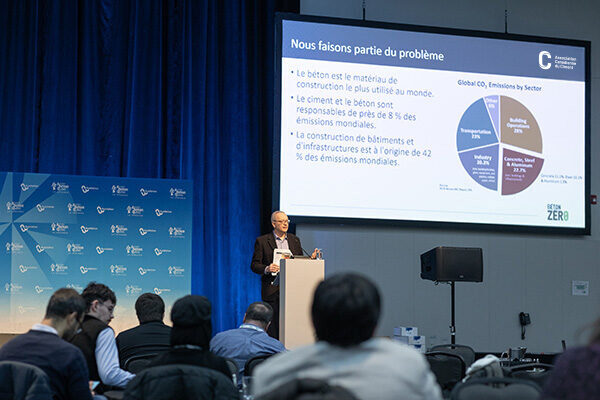
- Semaine du béton. L’Association Béton Québec (ABQ) a tenu sa Semaine du béton à Lévis en février. Dans le cadre de cet événement, René Drolet, membre du personnel de l’ACC, a présenté le plan d’action de l’industrie vers le béton net zéro et certaines des initiatives de réduction des émissions mises en œuvre par l’industrie.
- American Concrete Institute (ACI). Nous sommes fiers d’avoir été un parrain de niveau « or » du gala d’excellence de la conception et des infrastructures en béton organisé par l’ACI – Section du Québec et de l’Est de l’Ontario, qui s’est tenu à Laval en mars. L’événement a réuni un large éventail d’acteurs du secteur du bâtiment.
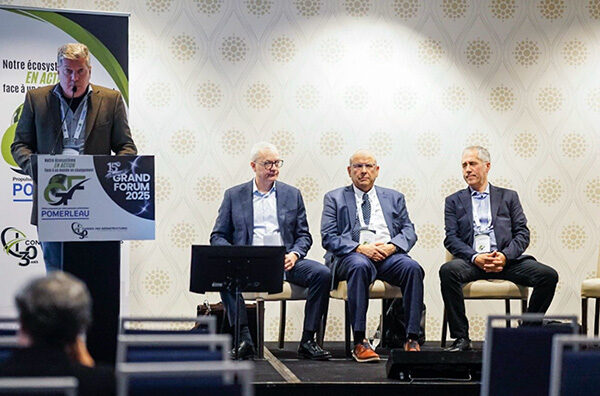
- Grand Forum – Conseil des Infrastructures. En novembre, le Conseil des Infrastructures a tenu sa 15eédition du Grand Forum, un grand événement annuel attirant plus de 250 participants issus de tous les sous-secteurs de l’écosystème des infrastructures. L’ACC a animé un panel sur l’économie circulaire dans l’industrie du ciment et du béton et sur ce qu’elle fait pour soutenir les projets d’infrastructure.
- Événements de l’Association Béton Québec (ABQ). L’ACC a participé à l’assemblée générale annuelle (AGA) de l’ABQ, ainsi qu’aux activités entourant le cyclogolf annuel de l’ABQ. Nous avons également participé à la « Journée de l’ABQ » en octobre.
Faits saillants de la région de l’Atlantique
L’ACC continue de travailler avec l’Atlantic Concrete Association (ACA) et ses membres concernant les besoins régionaux et les messages à transmettre aux gouvernements, aux clients et aux parties prenantes afin de faire progresser l’industrie dans le Canada atlantique. Nous avons été heureux de renforcer notre collaboration avec l’ACA en 2025. Au début de l’année, nous avons soutenu l’ACA lors de son assemblée générale annuelle qui s’est tenue en même temps que World of Concrete. L’ACC a présenté l’état actuel du plan Béton Zéro et les fiches d’information et infographies élaborées par le Conseil canadien du béton mettant en évidence les intersections, les rues municipales, les autoroutes provinciales et le pavage en béton.
À l’automne, nous avons eu l’occasion de participer au tournoi de golf annuel de l’ACA et de fournir des informations sur le programme d’innovation en matière de ciment et de béton de l’ACC. Ce programme, qui est en cours d’élaboration, a pour objectif d’accroître le niveau d’acceptation et d’adoption du ciment et du béton à faible teneur en carbone. Il propose des outils d’approvisionnement en produits à faible teneur en carbone, des études de cas, ainsi que des activités de recherche et de développement.
Nous sommes impatients de continuer à renforcer nos relations avec l’ACA en 2026 et de collaborer avec elle sur nos objectifs et initiatives communs.
Marketing et communication
Image de marque
L’ACC a lancé cette année une nouvelle image de marque moderne. Le logo principal a été légèrement révisé et sa palette de couleurs primaires et secondaires est entièrement nouvelle. Cette nouvelle image de marque nous permettra de nous démarquer plus efficacement et nous aidera à produire nos supports de communication et de marketing avec plus de flexibilité. La nouvelle image de marque a été lancée en octobre et continuera à être déployée sur l’ensemble de nos supports.
Réseaux sociaux
L’ACC a poursuivi ses essais sur les réseaux sociaux en publiant des contenus plus intéressants et plus amusants, non seulement pour divertir notre public de spécialistes, mais aussi pour toucher le grand public. Nous avons généré près de 200 000 impressions sur LinkedIn, avec plus de 11 000 clics. Nos contenus ont suscité de nombreuses réactions, avec une augmentation de 141 % des commentaires par rapport à 2024. Nous avons également constaté une croissance régulière sur Instagram et Facebook, avec une augmentation de 189 % des impressions et de 60 % des interactions sur Instagram, et une augmentation de 54 % de nouveaux abonnés sur Facebook. Nous avons également travaillé progressivement à accroître notre présence sur YouTube, avec plus de 7 000 vues en 2025, soit six fois plus que l’année précédente.
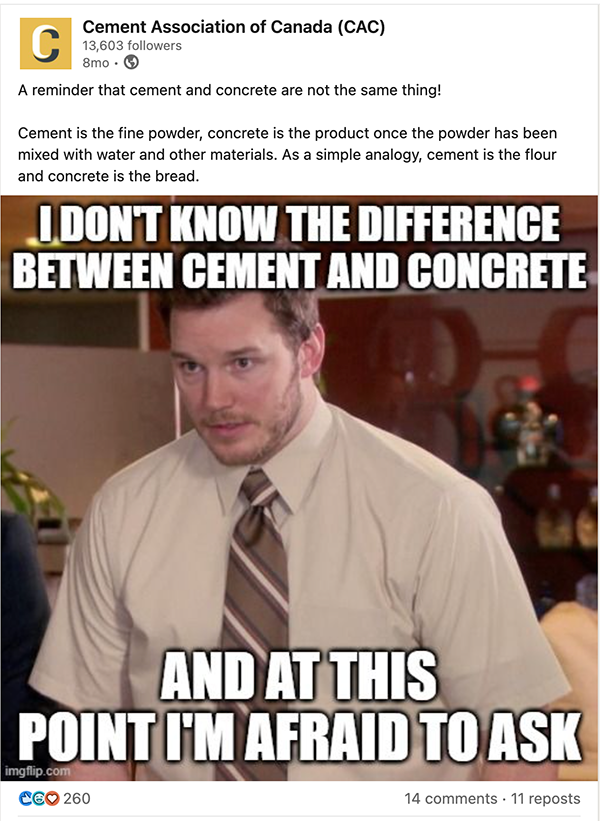
Courriels
L’ACC Monthly a enregistré un taux d’ouverture des courriels de 55 %, ce qui représente une augmentation de 21 % par rapport à 2024 et est un taux de loin supérieur à la moyenne de l’industrie manufacturière, qui est de 32 %. Nous étudions actuellement les moyens d’accroître notre portée par courriel, notamment en envoyant davantage de courriels au grand public et aux personnes qui ne sont pas membres de l’ACC.
Site Web
Le site Web de l’ACC a dépassé les 200 000 pages vues au cours de l’année écoulée, avec plus de 100 000 visiteurs uniques. Outre notre page d’accueil, les pages les plus consultées sont le balado « Speaking Concretely », le « Concrete Design Handbook » et notre « plan d’action Béton Zéro ».
En plus d’être très performant, notre site Web a été entièrement repensé et de nouveau lancé en décembre après l’incorporation de notre nouvelle image de marque moderne. Le nouveau site Web nous permettra d’améliorer le contenu de manière plus flexible et facilitera la recherche pour notre public.
Balado
L’ACC a continué à publier des épisodes mensuels de son balado populaire intitulé « Speaking Concretely ». Ce format s’est avéré un moyen efficace d’élargir notre audience, de donner une tribune à nos membres et de mieux défendre le secteur. Parmi les invités de marque de cette année, citons l’Association mondiale du ciment et du béton, l’Association canadienne de la construction, Carbon Upcycling et bien d’autres encore.

Enquête de perception
L’ACC a mené un sondage approfondi et déterminant sur la perception du secteur. Ce sondage, auquel ont répondu plus de 3 000 personnes du grand public et près de 200 professionnels du secteur, a fourni des informations extrêmement importantes sur la façon dont notre secteur est perçu et sur la manière dont nos messages sont reçus. Nous nous appuierons sur les résultats de ce sondage pour orienter nos efforts de communication et accroître notre visibilité.
Série de vidéos
Cette année, pour notre équipe, l’un des éléments clés du marketing a été le lancement de notre série de vidéos axées sur les membres. La première vidéo de cette série a été lancée à la fin du mois de novembre et présente notre membre Votorantim Cimentos. Ces vidéos mettent en lumière les acteurs de notre secteur et le rôle essentiel que nous jouons dans l’économie canadienne.
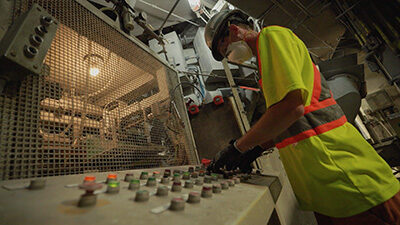
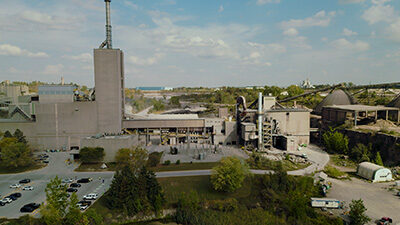
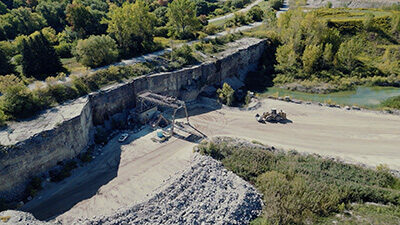
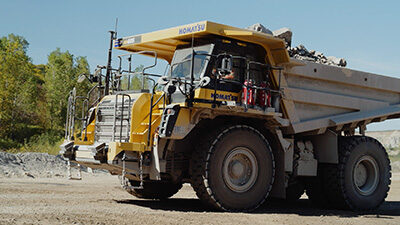
Affaires commerciales et techniques
Programme d’information commerciale
Le programme d’information commerciale continue d’évoluer et de renforcer l’ensemble de ses capacités. Cette année, la prévision du printemps a été élaborée en collaboration avec les équipes d’information commerciale des membres, ce qui a permis d’harmoniser nos efforts et d’échanger des connaissances avec l’ensemble du secteur. Oxford Economics a commandité une prévision d’automne plus tard dans l’année afin d’obtenir une validation externe indépendante des résultats du printemps. Les prévisions d’automne fournissent une analyse complète de l’industrie du bâtiment par secteur et par région, offrant aux membres des perspectives plus approfondies et plus fiables.
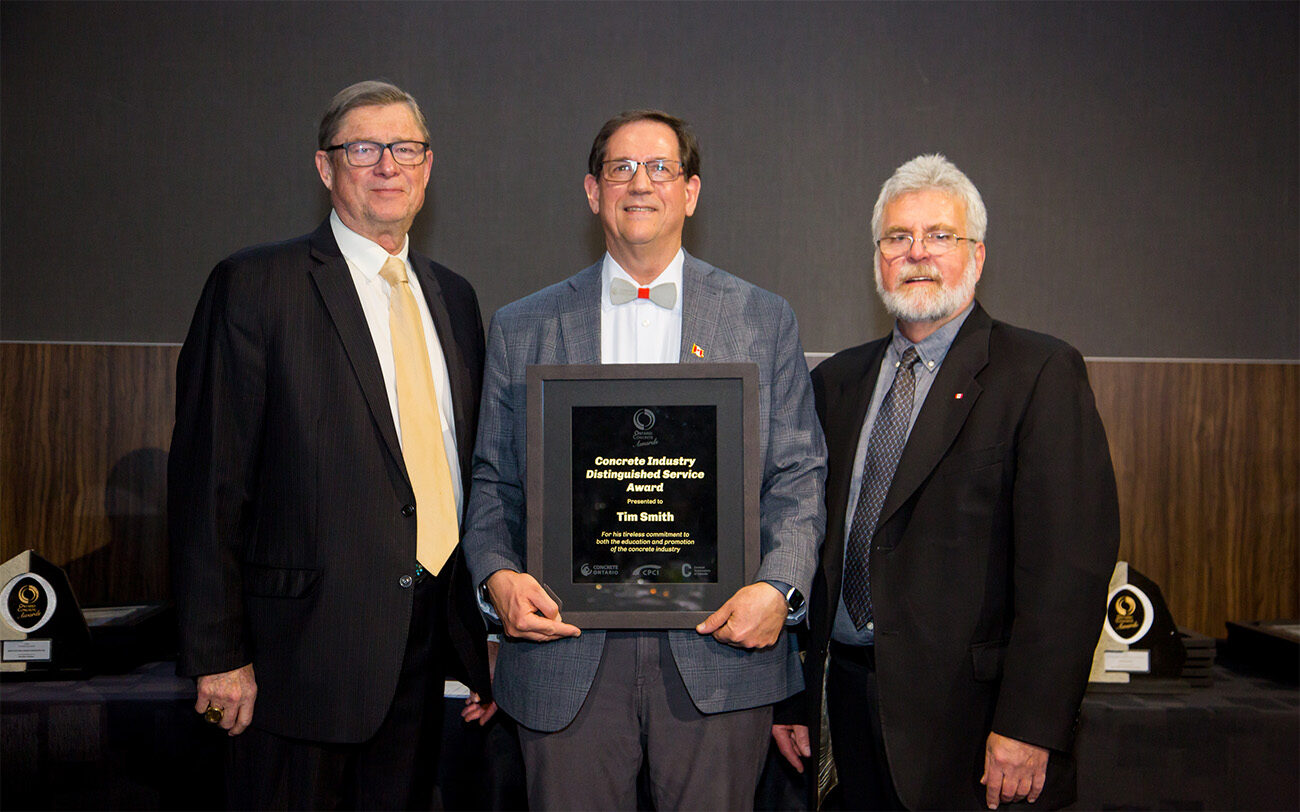
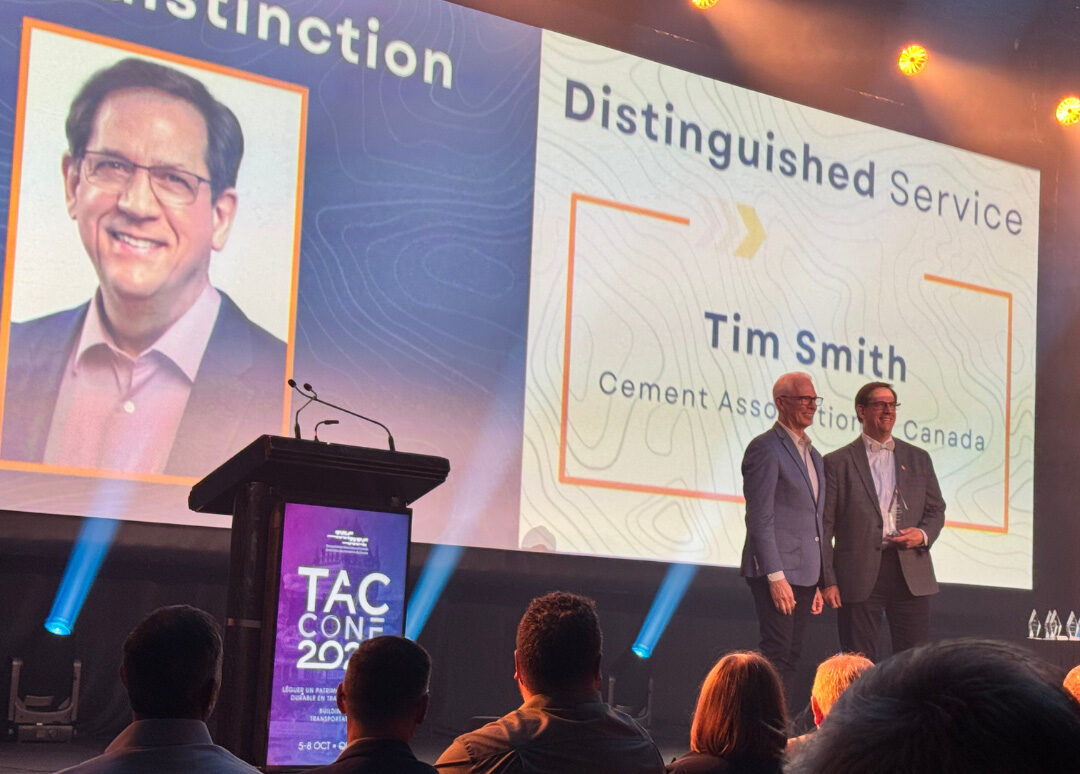
Transport et travaux publics
Éducation et formation
Une composante du rôle de l’ACC consiste à informer les propriétaires publics/privés, les consultants en ingénierie/architecture et les entrepreneurs des nombreux avantages des produits à base de ciment et de béton utilisés dans les applications d’infrastructure, ainsi qu’à leur expliquer en quoi consiste le plan d’action Béton Zéro. Pour faciliter ce processus, nous avons mis à jour notre document de synthèse technique du PLC et nous avons organisé à plusieurs webinaires et séminaires et y avons participé. Voici quelques points saillants de certaines des activités d’éducation et de formation que nous avons menées :
- Séminaire sur les chaussées de Concrete Manitoba en janvier : Tim Smith, de l’ACC, a fait une présentation lors du séminaire sur les chaussées en béton de Concrete Manitoba à Winnipeg. Tim a notamment parlé des défauts, de l’entretien et de la réparation des chaussées en béton.
- Présentations des cours sur la technologie du béton de Scott McKay : L’ACC a effectué deux présentations lors de la séance de formation d’une semaine : l’une sur les principes de base des chaussées en béton et l’autre sur les innovations en matière de béton. Le cours a été suivi par 26 étudiants et les présentations ont donné lieu à de nombreuses discussions sur le plan d’action Béton Zéro de notre industrie.
- Conférence annuelle de l’ORBA : Tim Smith a participé à la conférence de l’Ontario Road Builders Association (ORBA) afin de nouer des contacts avec l’industrie de la construction routière et de discuter du plan d’action Béton Zéro.
- Dîner-conférence sur les sols techniques à l’intention de l’équipe d’ingénierie et d’entretien des routes de la région de Muskoka : Tim Smith a organisé un dîner-conférence sur les sols techniques (sol modifié au ciment, couche de fondation stabilisée au ciment, base traitée au ciment et remise en état en profondeur avec ciment) à l’intention de l’équipe d’ingénierie et d’entretien des routes de la région de Muskoka. La présentation a passé en revue les quatre types d’applications des sols techniques et les processus de construction pour une utilisation potentielle dans la région de Muskoka. Le groupe d’ingénierie et d’entretien des routes de la région de Muskoka a proposé une section d’essai de stabilisation de la base de la route à la suite de la présentation.
- Troisième séminaire annuel de Concrete Ontario/Association canadienne du ciment sur les chaussées en béton : Concrete Ontario et l’ACC ont coparrainé le troisième séminaire annuel sur les chaussées en béton, qui s’est tenu à Oakville. Plus de 55 personnes, dont des consultants, des ingénieurs municipaux, des entrepreneurs, des fournisseurs d’adjuvants pour béton et des étudiants, ont participé à l’événement. Ce séminaire a notamment présenté une mise à jour du ministère des Transports et des informations sur la chaussée municipale en béton de la ville de Mississauga, les ronds-points en béton dans le comté d’Essex, la durabilité des chaussées en béton, les techniques d’essais non destructifs, l’impact des véhicules électriques sur la conception des routes, le broyage du béton de nouvelle génération et les dernières recherches et innovations du CPTech Center.

- Présentation à la conférence Fundamentals of Sustainable Concrete de Concrete Ontario : Tim Smith a donné une présentation sur la feuille de route vers la carboneutralité d’ici 2050 lors de l’atelier Fundamentals of Sustainable Concrete de Concrete Ontario.
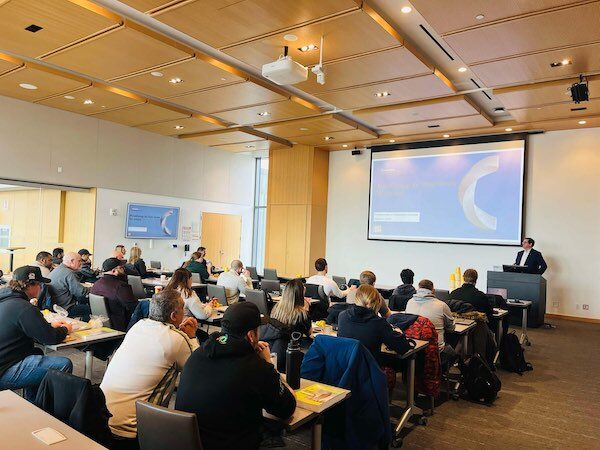
- Présentation sur les ronds-points en béton lors de la conférence Good Roads :Tim Smith a donné une présentation sur le calcul de l’épaisseur des chaussées des ronds-points en béton, les joints et les caractéristiques techniques lors de la session consacrée aux ronds-points de la conférence Good Roads. Daniel Baggio, du comté d’Essex, a également donné une présentation sur un rond-point en béton construit dans son comté en 2024 et a expliqué les raisons pour lesquelles le béton a été choisi plutôt que l’asphalte.
- Présentation sur l’utilisation des ciments mélangés au Canada lors de la conférence de l’ACI : Le personnel de l’ACC a donné une présentation sur l’utilisation des ciments mélangés au Canada lors de la conférence de l’ACI à Toronto, à laquelle ont assisté plus de 60 personnes. La présentation a notamment fait un tour d’horizon de l’industrie du ciment et du béton au Canada et du plan d’action Béton Zéro, a passé en revue les types de ciment utilisés au Canada, a analysé un document de synthèse technique sur le PLC, a montré un tableau sur la disponibilité des ciments mélangés au Canada et à précisé les endroits où ils sont actuellement utilisés.
- Document sur les ronds-points en béton élaboré pour une présentation à la conférence d’automne de l’ATC :Tim Smith, de l’ACC, et le personnel de Concrete Ontario ont rédigé, en collaboration avec le comté d’Essex, un article sur les ronds-points en béton construits dans leur région, qui sera présenté lors de la conférence d’automne de l’Association des transports du Canada. Ce document passe en revue les principes fondamentaux de la conception et de la construction des ronds-points en béton, examine la construction d’un rond-point en béton sur les routes de comté 42 et 43, et souligne les avantages durables offerts par les ronds-points en béton. Le document compare également l’empreinte carbone d’un rond-point en béton construit en 2014 à celle d’un rond-point construit en 2024.
- Présentation lors des réunions du printemps des comités de l’ATC :Le personnel de l’ACC a participé aux réunions de printemps suivantes des comités de l’ATC pour représenter l’industrie du ciment et du béton : Entretien et exploitation, sols et matériaux, chaussées, et sous-comité de conception ME des chaussées. En particulier, l’ACC a présenté au comité des sols et des matériaux des informations à jour sur le Conseil canadien du béton, la certification Béton Zéro, le symposium sur le béton à faible teneur en carbone et des documents éducatifs sur le PLC et le béton à faible teneur en carbone.
- Présentations liées au béton lors des conférences du CAPTG/SWIFT : Tim Smith et Mick Prieur ont participé à l’atelier du CAPTG et aux séances techniques de la conférence de SWIFT en septembre. Plusieurs présentations relatives au béton ont été données lors de ces deux événements.
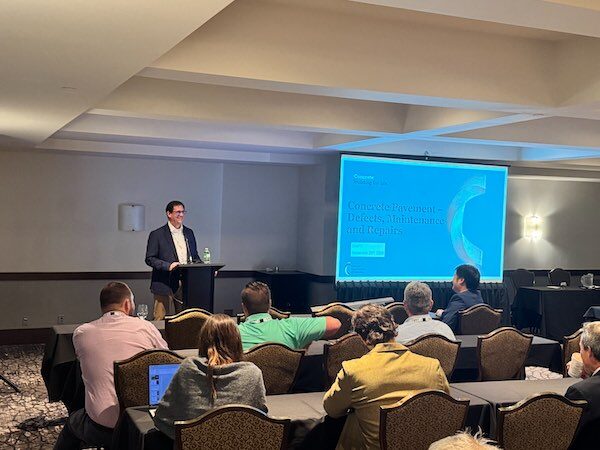
- Présentation au sous-comité de conception ME des chaussées de l’ATC : Tim Smith a donné une présentation au sous-comité de conception ME des chaussées de l’ATC sur la conception ME des chaussées à l’aide du logiciel AASHTOWare, en évoquant notamment les opportunités et les défis en la matière. La présentation a examiné les changements apportés au fil du temps à la partie du logiciel consacrée aux chaussées en béton. Elle a également mis en évidence l’importance d’utiliser le logiciel pour optimiser la structure des chaussées en béton afin de réduire l’empreinte carbone tout en satisfaisant à toutes les exigences de performance.
- Présentation du document sur les ronds-points en béton lors de la conférence de l’ATC : Tim Smith de l’ACC et Daniel Baggio du comté d’Essex ont présenté ensemble une étude de cas sur l’utilisation et la performance des ronds-points en béton dans le comté d’Essex. La présentation, à laquelle ont assisté plus de 50 personnes, s’est penchée sur la construction et les performances des ronds-points en béton du comté, ainsi que sur les avantages offerts par les ronds-points en béton et les marquages gravés sur la chaussée.
- Présentation sur les goujons auprès du comité des chaussées de l’ATC : Tim Smith a donné une présentation sur les bonnes pratiques en matière de goujons, a expliqué la nécessité des goujons, a énuméré les principaux systèmes actuellement utilisés pour le transfert de charge par les goujons et a passé en revue les concepts assurant de meilleurs systèmes de transfert de charge, notamment au regard de la durabilité et de la viabilité. Plus de 45 personnes ont assisté à la présentation.
- Conférence d’automne de l’ATC et réunions du comité technique dans la ville de Québec : L’ACC a assisté aux réunions d’automne du comité de l’ATC et aux séances de la conférence, réseautant avec les nombreux organismes gouvernementaux et les consultants présents. Quatre présentations sur le ciment et le béton ont eu lieu lors de la conférence, notamment des présentations par le personnel de l’ACC, le ministère des Transports et de l’Infrastructure du Manitoba, le personnel d’organisations alliées dans l’industrie et l’Université de Waterloo. Le personnel de l’ACC a également participé à la table ronde sur les innovations en matière de matériaux et de méthodes de construction pour les chaussées durables.
- Comité consultatif du MIT SCHub : Tim Smith et Mick Prieur ont représenté l’industrie canadienne du ciment et du béton au sein du comité consultatif du MIT SCHub pour contribuer aux travaux de recherche de ce dernier.
- Parrainage du programme STEM Outreach Solutions de l’AASHTO de la Fondation de l’ATC : L’ACC a parrainé le programme STEM Outreach Solutions (SOS) de l’AASHTO de la Fondation de l’ATC tenu le 6 novembre à Ottawa. Au total, 25 élèves de 9e et 10e année et cinq enseignants de la Lisgar Collegiate High School ont participé à la séance. Cet événement est un programme éducatif pratique élaboré par l’American Association of State Highway and Transportation Officials, qui initie les étudiants à l’ingénierie des transports par le biais d’activités intéressantes dans le domaine des sciences, de la technologie, de l’ingénierie et des mathématiques (STEM).
- Présentations des étudiants diplômés de l’Université McMaster et visite du Centre canadien de microscopie électronique (CCEM) : Mick Prieur a assisté à la séance d’affichage des étudiants diplômés pour en savoir plus sur les projets de recherche actuellement en cours à McMaster. Les projets concernaient principalement les MCS de verre dépoli, le béton ultra-haute performance et les essais de structures de confinement pour Ontario Power Generation.
- Conférence CIVENG 3P04 à l’Université McMaster :Mick Prieur a présenté à environ 110 étudiants en génie civil et étudiants de troisième cycle le parcours suivi par l’industrie du ciment et du béton pour parvenir à la carboneutralité. Les discussions ont porté sur la production de ciment, l’optimisation de la conception des mélanges de béton, l’optimisation des éléments en béton, le CUSC et la manière dont les ingénieurs peuvent contribuer à l’objectif de carboneutralité dans leurs futurs travaux.
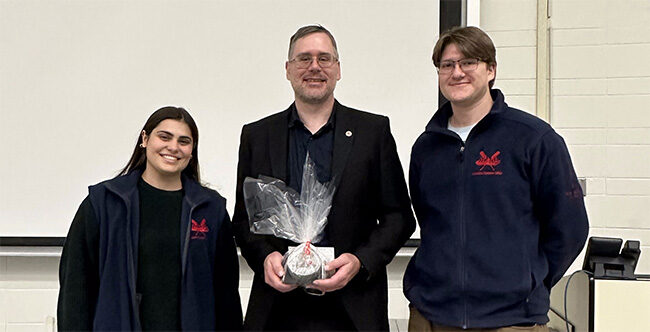
- Good Roads Association – TM35 Scott McKay Concrete School : Mick Prieur est coprésident de cette formation d’une semaine qui forme 35 à 40 inspecteurs municipaux, administrateurs de contrats, ingénieurs et consultants. La formation porte sur des sujets tels que les principes de base du ciment, du béton, des granulats et des adjuvants, les essais de béton, l’inspection, les bonnes pratiques, le dépannage et la durabilité.
- Conférence du CPCI : Mick Prieur a participé à la conférence du CPCI à Montréal en 2025 et a siégé au comité technique et au comité de durabilité.
Participation à différents comités techniques
L’ACC assure le secrétariat du comité technique de l’ACC pour l’Ontario, qui a tenu quatre réunions en 2025. La fonction principale de ce groupe est de discuter des questions techniques relatives aux industries du ciment et du béton de l’Ontario et d’assurer la liaison avec le ministère des Transports et les municipalités de l’Ontario pour tout ce qui a trait aux spécifications, aux certifications et aux essais. D’autres sujets traités sont le marketing et la promotion, la liaison avec le comité de liaison pour le béton de l’OGRA, la liaison avec Concrete Ontario et les besoins de l’industrie en matière de recherche. Les principales réalisations du comité en 2025 ont été les suivantes :
- Examen de la nouvelle spécification OPSS.PROV 1355 du ministère des Transports pour le béton préfabriqué : Le personnel de l’ACC a examiné et fourni des commentaires au CPCI sur la nouvelle spécification OPSS.PROV 1355 du ministère des Transports pour le béton préfabriqué. La CCPPA et le CPCI ont intégré les commentaires dans une réponse de l’industrie du ciment et du béton à la spécification proposée par le ministère des Transports.
- Guide d’introduction au PLC : L’ACC a publié un guide d’introduction au PLC, qui résume son document de synthèse technique sur le PLC et le document de synthèse sur le PLC de la FHWA, à l’intention des membres de l’industrie du ciment et des industries connexes. Ce document a pour but de faciliter la transition du béton GU au béton GUL et d’aider à résoudre les problèmes qui pourraient survenir. Le document peut être consulté au lien suivant.
- Mise à jour du document de synthèse technique sur le PLC : L’ACC a publié une mise à jour de l’introduction technique sur le ciment Portland au calcaire pour les devis de construction municipaux et provinciaux. Le document inclut désormais les informations mises à jour du rapport 2025 de Doug Hooton sur les évaluations visuelles 2022 de l’exposition extérieure de sections d’essai en béton pour une exposition allant jusqu’à 140 mois dans des solutions de sulfate. Le document peut être téléchargé ici
- L’entretien du béton – Guide des travaux résidentiels de bétonnage plat : Le comité technique de l’ACC Ontario a contribué à l’élaboration de l’ouvrage « L’entretien du béton – Guide des travaux résidentiels de bétonnage plat ». Le document couvre les exigences de performance pour les ouvrages plats extérieurs, énumère plusieurs points pour assurer la qualité de la construction et souligne l’importance de l’entretien du béton résidentiel, y compris le durcissement du béton, le scellement du béton et l’utilisation de sel. Le document a été publié en juillet et est disponible ici.
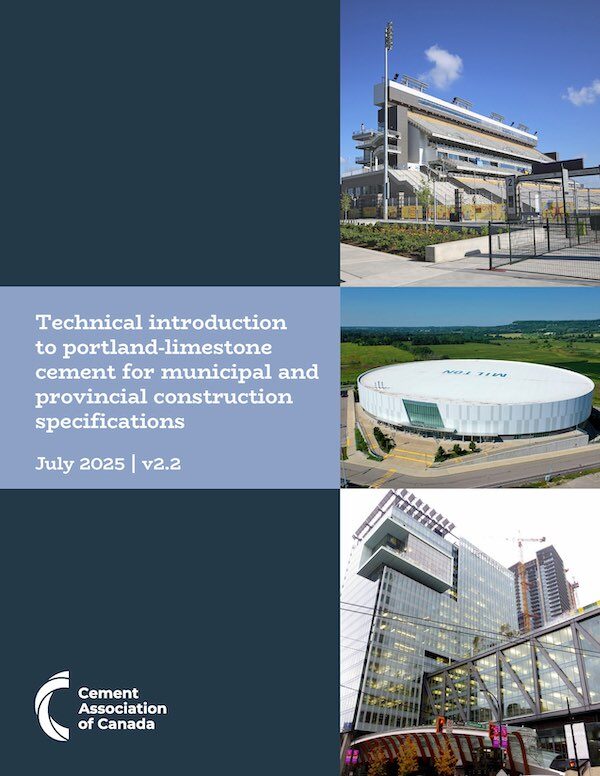
En tant que représentant de l’industrie du ciment et du béton, le personnel de l’ACC fait la promotion des nombreux avantages offerts par les chaussées en béton, des solutions routières à base de ciment et de l’utilisation du CPL auprès d’un certain nombre d’organisations et de comités techniques, notamment les comités de l’Association des transports du Canada (ATC), le sous-comité technique des structures de l’Ontario Road Builders Association (ORBA) et du ministère des Transports de l’Ontario, Concrete Ontario/le comité de liaison du ministère des Transports de l’Ontario, le comité de liaison du béton dans les municipalités de Good Roads, le comité technique du béton de l’Ontario, le comité de la durabilité du béton de l’Ontario, le Canadian Airfield Pavement Technical Group (CAPTG), les comités de l’American Concrete Institute (ACI) et le comité technique du CNRC pour les lignes directrices d’ACV des infrastructures – Routes, points et transport en commun.
Certains des principaux résultats obtenus grâce à notre participation à ces comités sont énumérés ci-dessous :
- Achèvement de l’enquête sur les scories du ministère des Transports et de l’Infrastructure du Manitoba : Tim Smith a passé en revue et finalisé l’enquête du ministère des Transports et de l’Infrastructure du Manitoba sur les scories afin d’aider l’organisme gouvernemental dans son analyse de l’utilisation des scories en tant que MCS dans les applications de béton.
- Spécification de construction en béton compacté au rouleau ACI 327 : Tim Smith a fourni des commentaires sur le projet de spécification ACI – 327.X Construction de chaussées compactées au rouleau – Spécification. Une demande importante concernait l’inclusion de références aux normes CSA A23.1 et 2 et au compendium CSA A3000 dans la spécification. Le nouveau document devait être publié à la fin de l’année 2025.
- Examen du manuel d’évaluation et de conception des chaussées (PADM) de 2025 du ministère des Transports et de l’Infrastructure du Manitoba (MTI) : Tim Smith a examiné et commenté en détail la version finale du document PADM du MTI. Un grand nombre des changements recommandés par l’ACC lors de l’examen précédent ont été intégrés dans la nouvelle version du document, mais il subsiste un certain nombre de questions/préoccupations pour lesquelles l’ACC a formulé des commentaires supplémentaires. Le MTI a indiqué qu’il examinerait les nouveaux commentaires transmis par l’ACC et pourrait éventuellement organiser une réunion pour en discuter plus en détail.
- Réunion du comité de planification du CAPTG : Tim Smith a participé à la réunion de planification de 2 jours du Canadian Airfield Pavement Technical Group (CAPTG) pour discuter de l’atelier 2025 du CAPTG et des séances techniques de la conférence SWIFT de 2025. À l’issue de la réunion, cinq présentations relatives au béton ont été approuvées pour les deux événements.
- Groupe de travail de l’ATC sur l’ACV pour de faibles émissions de carbone : Tim Smith a participé au groupe de travail de l’Association des transports du Canada sur l’ACV pour de faibles émissions de carbone, qui a été créé pour étudier l’empreinte carbone des matériaux liés à l’infrastructure. L’ACC continue de participer au sous-comité pour défendre les intérêts de l’industrie du ciment et du béton.
- Examen des lignes directrices proposées par le CNRC en matière d’ACV des infrastructures pour les ponts : Le personnel de l’ACC a examiné et transmis des commentaires détaillés sur le projet de lignes directrices pour l’ACV des infrastructures pour les ponts.
Assistance technique
Un autre rôle clé de l’équipe technique de l’ACC consiste à répondre aux nombreuses demandes techniques émanant d’organismes gouvernementaux, de consultants et d’entrepreneurs sur les solutions de chaussées en béton et en ciment. À cet égard, l’ACC fournit des documents à jour et pertinents sur les analyses de coût de cycle de vie et les analyses de cycle de vie, le ciment ACV, le béton à faible teneur en carbone, la réparation des chaussées en béton et les examens de spécifications. L’assistance à la conception des chaussées en béton classique et en béton compacté au rouleau (BCR) est également une autre fonction importante de l’équipe technique, car elle contribue à garantir l’équivalence entre les conceptions en béton et les conceptions en asphalte comparées. Voici quelques réalisations clés de 2025 :
- Assistance pour les sols techniques : Tim Smith a fourni une assistance technique à R. J. Burnside & Associates Limited sur les caractéristiques techniques de trois solutions de sols techniques, à savoir la remise en état en profondeur avec ciment, la base traitée au ciment et la couche de fondation modifiée au ciment. Il s’agissait d’un projet de section d’essai de sols techniques dans la région de Muskoka.
- Assistance technique pour la conception et la construction de béton drainant : Tim Smith a fourni à Englobe des documents techniques pour l’aider à concevoir et à construire des trottoirs en béton drainant pour la ville de Toronto.
- Examen des spécifications de la Toronto Transit Commission (TTC) pour le béton coulé en place : Mick Prieur et Tim Smith ont examiné les caractéristiques techniques du béton coulé sur place de la TTC et ont envoyé leurs remarques à Concrete Ontario afin qu’elles soient intégrées dans les commentaires soumis à la TTC par l’industrie du ciment et du béton.
- Assistance pour la chaussée en béton du centre d’autobus du Conestoga College : Mick Prieur a apporté son soutien à Englobe et a passé en revue son plan de jointoiement pour un projet de chaussée en béton au centre d’autobus du Conestoga College.
- Assistance pour la conception des chaussées dans la ville de Toronto – WSP Canada : Mick Prieur a apporté son soutien à l’optimisation de la conception de la chaussée dans le cadre d’un projet routier pour la ville de Toronto. En outre, Mick a fourni des documents et des conseils sur le jointoiement.
- Centre de santé des Cris de Nisichawayasihk : Les caractéristiques techniques ne permettaient pas l’utilisation du ciment GUL. Mick Prieur a travaillé avec l’ingénieur du bureau Stantec qui a élaboré le projet et a fourni des informations supplémentaires pour éviter que la situation ne se reproduise par la suite.
Recherche
L’ACC a recherché et poursuivi de manière proactive de nombreuses pistes de recherche en 2025. En voici quelques-unes :
- Propositions de recherche du CNRC – Mick Prieur a examiné seize propositions de recherche avec le CNRC afin de sélectionner les projets qui correspondent le mieux aux besoins de recherche de l’ACC.
- Comité technique et des caractéristiques techniques des produits de l’ACC – Nous avons remis en place le comité technique et des caractéristiques techniques des produits de l’ACC afin d’examiner nos besoins en matière de recherche et d’obtenir l’avis de nos membres dans tout le Canada. Le comité diffusera tous les projets de recherche au comité afin que tous les membres soient informés des dernières recherches en cours.
- Université de Toronto – Le personnel de l’ACC a rencontré le vice-doyen du département d’ingénierie afin de rétablir des relations qui avaient été négligées au cours des dernières années. Cela a été une excellente occasion de visiter les installations des laboratoires de l’université et d’obtenir des informations sur les recherches qui y sont menées et sur les nouvelles machines utilisées pour l’analyse structurelle des structures en béton.
- Université McMaster – Mick Prieur s’est également rapproché de l’Université McMaster afin de nouer des relations avec elle et de mieux comprendre ses capacités de recherche.
- Dalle en béton sur sol – Analyse de sensibilité de différentes méthodes de finition des travaux de bétonnage à plat et de leur impact sur la durabilité de la surface – Mick Prieur a proposé un projet de recherche pour étudier les facteurs qui portent atteinte à la durabilité des dalles en béton sur sol et leur impact sur la durée de vie. La proposition fournira des preuves tangibles à l’appui des initiatives liées aux bonnes pratiques et permettra aux maîtres d’ouvrage de justifier des facteurs de pénalité proportionnels à la diminution de la durabilité dans leurs cahiers des charges lorsqu’ils observent de mauvaises pratiques sur le terrain.
Codes et normes
Les codes et les normes sont une partie essentielle du mandat de l’ACC, qui est de servir les intérêts de ses membres. Notre savoir-faire technique nous aide à effectuer notre travail de plaidoyer auprès du gouvernement et constitue la base de notre part de marché dans l’industrie. L’objectif des travaux sur les codes et les normes est d’aider l’industrie à tenir son engagement en faveur du béton carboneutre d’ici 2050. Les tâches prioritaires relevant de notre plan d’action ont été établies à court terme jusqu’en 2030.
Les principales activités menées par l’ACC en 2025 en rapport avec les codes et les normes sont résumées ici :
CSA A231.1/231.2 – Éléments de pavage en béton préfabriqué – Mick Prieur a assisté à la réunion de lancement visant à consolider la caractéristique technique en une caractéristique technique des matériaux ressemblant davantage à la CSA A23.1/2. La caractéristique technique supprime les lignes directrices en matière de conception. L’ACC sera un membre ayant droit de vote de ce comité.
CSA A23.3 – Atelier sur la conception fondée sur la performance – Mick a assisté à l’atelier sur la conception fondée sur la performance de la norme A23.3, au cours duquel le groupe a réfléchi aux difficultés qui font obstacle à une véritable conception fondée sur la performance. Les principaux obstacles sont le manque de formation à l’optimisation des éléments en béton dans les bâtiments et les méthodologies d’examen des éléments de construction lorsqu’ils sont optimisés. Il a été souligné qu’il est nécessaire d’intégrer une nouvelle formulation dans le Code national du bâtiment pour adopter des normes de performance.
CSA A23.3 – Conception en béton armé – Mick a assisté à trois jours de réunions du comité pour discuter du résumé de chaque clause et des prochaines étapes que le comité devra suivre en vue de la publication d’une nouvelle norme mise à jour en 2029. L’ACC demeure un membre ayant droit de vote de ce comité.
CSA S6 – Code canadien sur le calcul des ponts routiers – Mick a assisté à deux jours de réunions du comité pour discuter des efforts des groupes de travail en vue de la prochaine mise à jour en 2029.
Publications
La 5e édition du Concrete Design Handbook a été publiée en 2025. Cet ouvrage intègre les nouvelles exigences et les caractéristiques techniques révisées des normes CSA sur les matériaux de ciment et de béton et de la norme CSA sur la conception en béton incluse dans le CNB 2020 qui a été publié en 2024. Il fait également référence à l’édition 2019 de la norme CSA A23.3.
La version en français de la 9e édition de l’ouvrage Dosage et contrôle des mélanges de béton (EB101) a été publiée en 2025. Cette édition comprend des mises à jour sur le PLC, la durabilité, la pyrrhotite agrégée et l’UHPC. Cette publication constitue le principal texte pédagogique de l’ACC.
© 2026, tous droits réservés, Rapport annuel – Cement Association of Canada